

Health topics
Skin, hair and nails
Everyday skin care and botanical research, with hair and nail coverage still to develop.
Skin care and cannabinoid research
9 articles
CBD for Skin Conditions: What the Science Says About This Growing Skincare Ingredient
Discover how CBD may support acne, eczema, psoriasis and dry skin. We break down the latest research on CBD skincare in simple, easy-to-understand language.

CBD and Skin Health: Why You Should Try It
The skin is the largest organ in the human body, and it's crucial to keep it healthy to maintain overall health and prevent premature signs of ageing. There are several ways to take care of your skin, such as a healthy...

CBD Skincare: The Benefits of Topical Cannabidiol
Explore the benefits of CBD skincare: reducing inflammation, hydrating, balancing oil, and protecting against aging - naturally.

CBD for Skin Care: A Natural Solution for Healthy, Balanced Skin
Discover the benefits of CBD skincare, from reducing inflammation and soothing sensitive skin to improving hydration and supporting a healthy skin barrier—backed by scientific research.
How CBD Skincare Can Transform Your Routine: What Science is Saying
Discover what recent science reveals about CBD skincare products and their powerful antioxidant, anti-aging, and skin-regenerating benefits!
CBD for Skin: What the Science Says About a Natural Approach to Skin Health
Discover how CBD may support skin health. Learn about research on acne, eczema, psoriasis, and why CBD is becoming a natural choice in skincare.
CBD for Skin Health: How a New Study Sheds Light on Plant-Based Skincare
Discover how CBD and ginger extract may support skin health. A new clinical trial shows their potential to reduce itch, strengthen the skin barrier, and improve comfort in people with atopic dermatitis.
CBD Skin Care: What are the Benefits?
Explore CBD skincare formats, ingredients and the role of these products in a skincare routine.
CBD Face Cream: Which One Is Best?
Eczema and sensitive skin
3 articles
CBD and CBG for Sensitive Skin? New Study on CBD Cream for Eczema
A new study explores how CBD and CBG may support skin hydration, reduce inflammation, and improve skin barrier function in people with eczema.
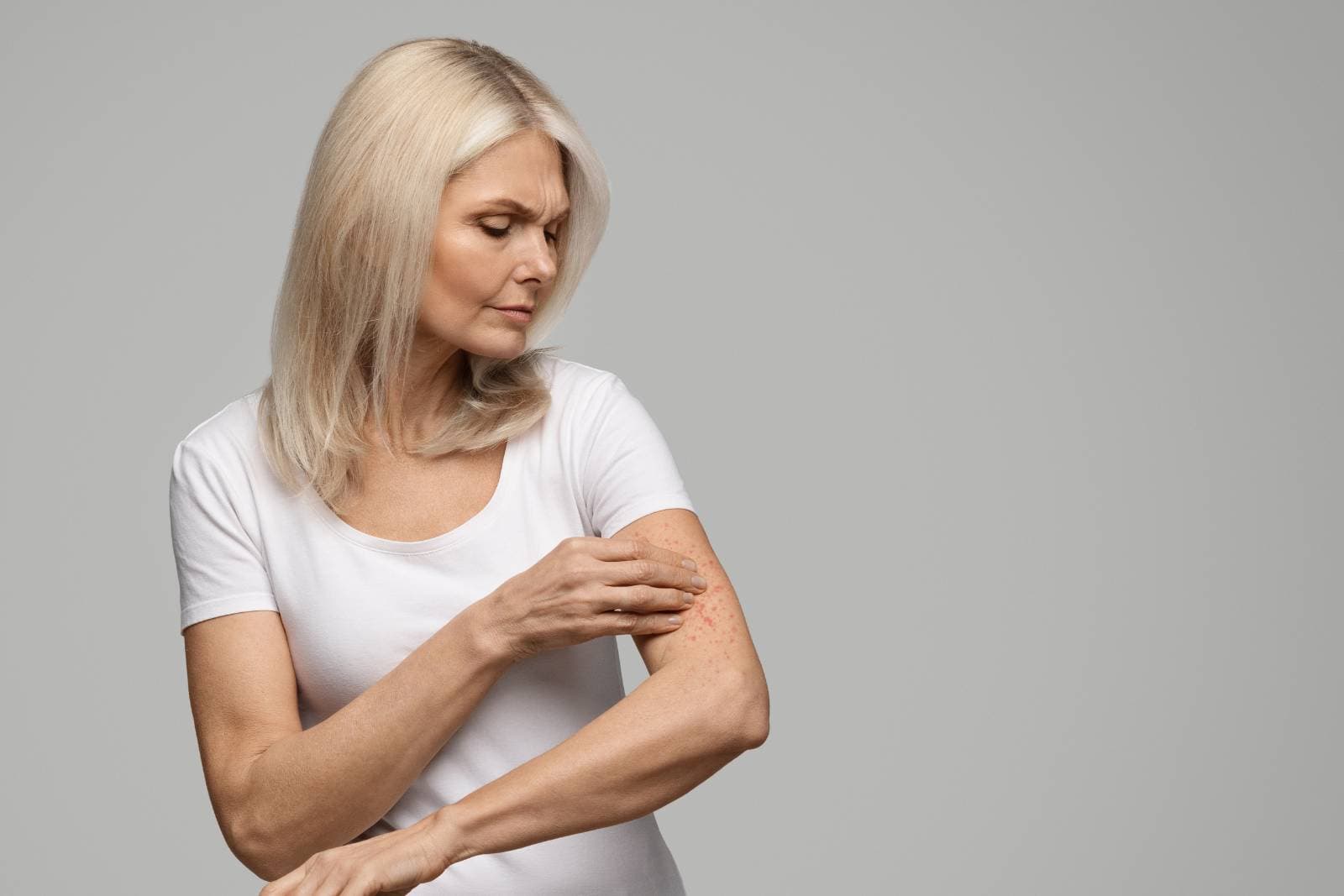
CBD for Dermatitis: Managing Eczema with CBD Cream
Discover how CBD creams could soothe eczema, reduce inflammation, and restore skin health. Explore the latest research on CBD for atopic dermatitis!
CBD Cream For Eczema: Is It the Best For Itchy Skin?
A guide to CBD creams in the context of eczema, including topical products and the research cited in the article.
Acne and psoriasis
4 articles
CBD and Acne Treatment: A New Horizon
CBD, a natural compound from hemp with potent anti-inflammatory and antimicrobial properties is a promising alternative in the management and treatment of acne.
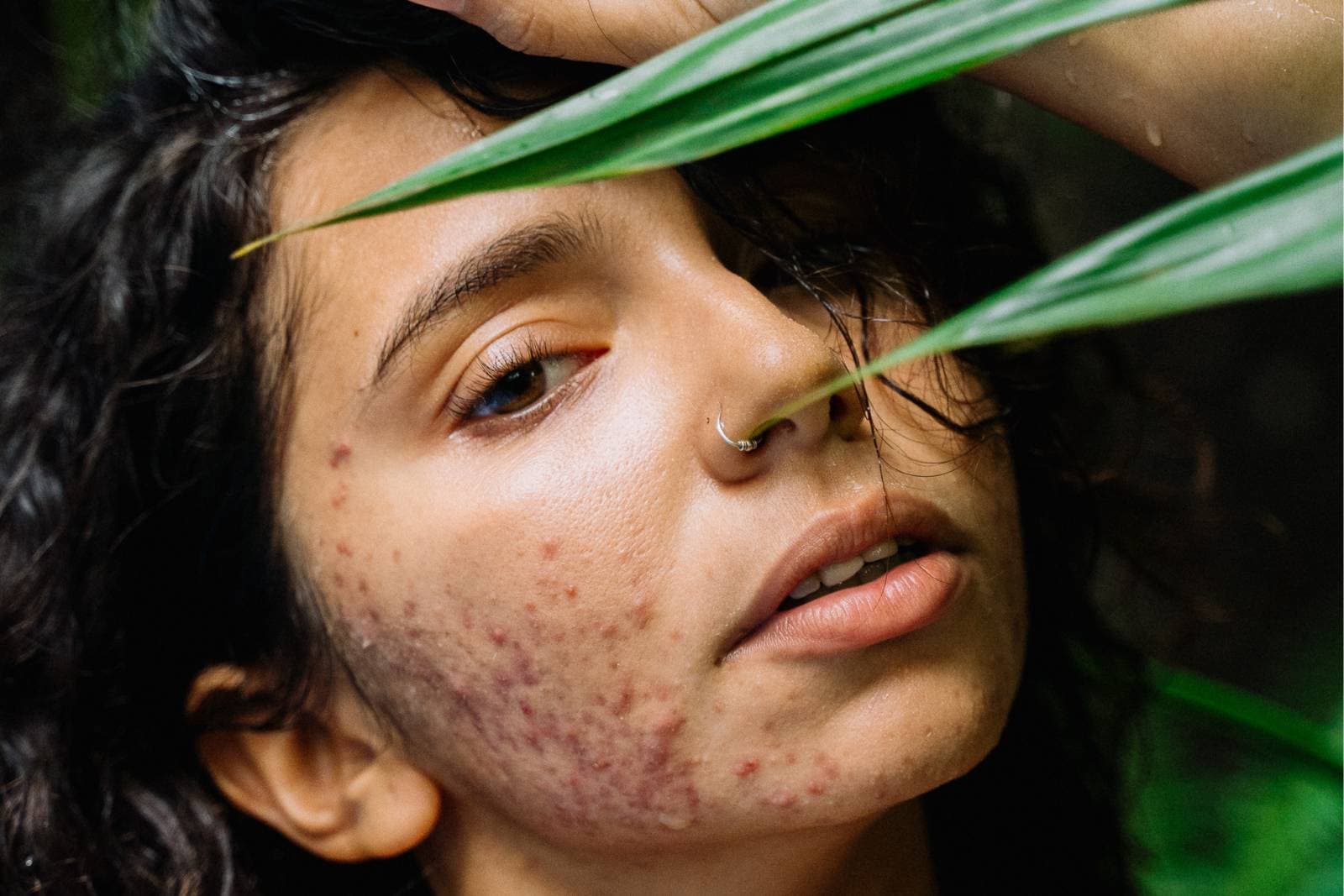
CBD and Acne: How Cannabinoids Could Support Clearer, Healthier Skin
Discover how CBD may help balance oil, reduce redness, and support clearer skin. Learn what research says about cannabinoids for acne-prone skin.
The Potential Benefits of CBD in Psoriasis Therapy
Explore the questions around CBD creams and psoriasis, with information on topical use and the cited research.
CBD Cream for Psoriasis: How Cannabidiol from Hemp Could Support Healthier Skin
Discover how CBD may support psoriasis management by soothing inflammation, balancing the skin, and interacting with the body’s endocannabinoid system - backed by emerging research.
Wound healing research
1 article
Background and sources
Skin, hair and nails share a topic here, but each concern needs its own explanation. Our current articles focus on skin care and skin research; dedicated hair and nail articles are not yet available. This guide introduces everyday skin care and helps you put botanical and CBD research in context.
Keep everyday care simple
The American Academy of Dermatology recommends a simple approach built around gentle cleansing, moisturising and sun protection. Using more products can increase irritation rather than improve the result. A routine does not need to be expensive to be useful. Read the AAD's everyday skin-care guidance.
Choose products suited to your skin, follow their instructions and pay attention to how your skin responds. Moisturiser applied to damp skin helps retain water. For exposed skin, the AAD recommends broad-spectrum sunscreen of SPF 30 or higher, alongside shade and protective clothing. A cosmetic containing CBD is not a substitute for sunscreen.
Dryness and irritation need attention
For dry skin, the AAD suggests shorter baths or showers with warm rather than hot water, gentle fragrance-free products and a cream or ointment to moisturise. If dryness persists despite changes, a dermatologist can check for an underlying condition. See the AAD's dry-skin advice.
Keep a note of when irritation started and any products you recently introduced. That can be useful when speaking with a pharmacist, GP or dermatologist. Do not assume that “plant-based” or “natural” means a product cannot irritate your skin.
Skin inflammation is a specific question
Inflammation is part of the body's response to injury or infection, but it can also continue inappropriately. The National Cancer Institute's definition explains that distinction. A general statement about inflammation does not diagnose the cause of a rash or establish a treatment for it.
Skin-specific research belongs here, while our Pain and inflammation guide explains the broader distinction between those two terms. They can be related, but they do not mean the same thing.
Read ingredient research carefully
When a study examines a plant extract, ask which extract and formulation were used, whether it was tested in people, and which skin condition or outcome was measured. Laboratory findings about an ingredient cannot demonstrate that a finished cream will treat a condition.
These articles cover research, not a personal treatment plan. Harmony sells cosmetics containing CBD; that commercial interest does not establish efficacy for acne, eczema, psoriasis or another disease. Do not replace prescribed treatment based on a product description or a study headline.
Hair and nails: separate questions
Evidence about a cream for a skin condition does not establish a benefit for hair growth or nail health. Until we have dedicated articles, the NHS provides starting points on hair loss and nail problems. Speak with a GP if hair loss worries you or you need help understanding a persistent nail change.