

Health topics
Sport and recovery
Food, rest, sleep and soreness: a practical guide to recovery, with a separate look at CBD research.
Exercise and performance
3 articles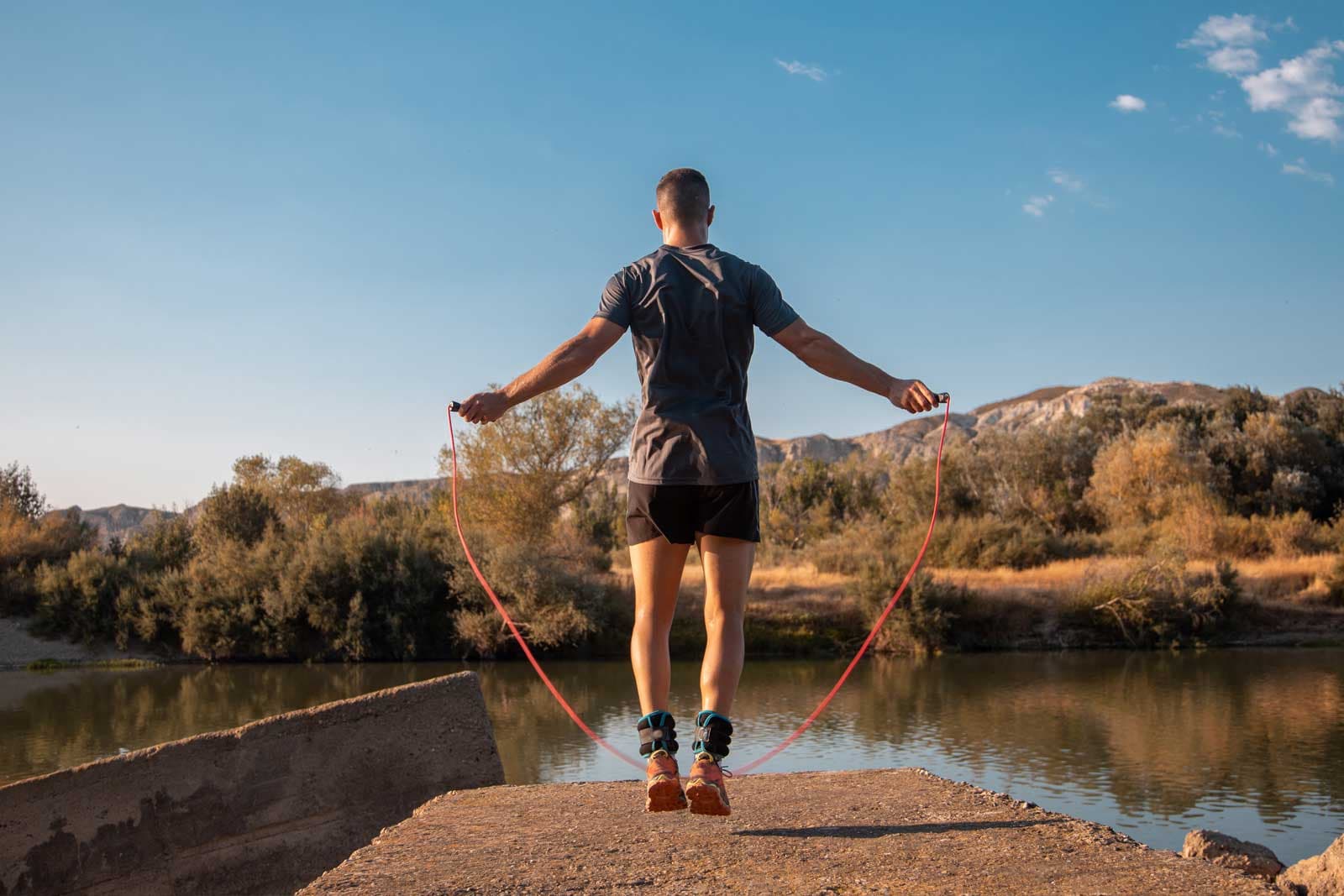
CBD for Sports: How CBD Can Help Athletes with Performance and Recovery
Whether you're an athlete, a regular gym-goer, a weekend warrior, or even a couch potato, body aches and stiffness are common issues that can hinder your active lifestyle. These pains can lead to more severe health...
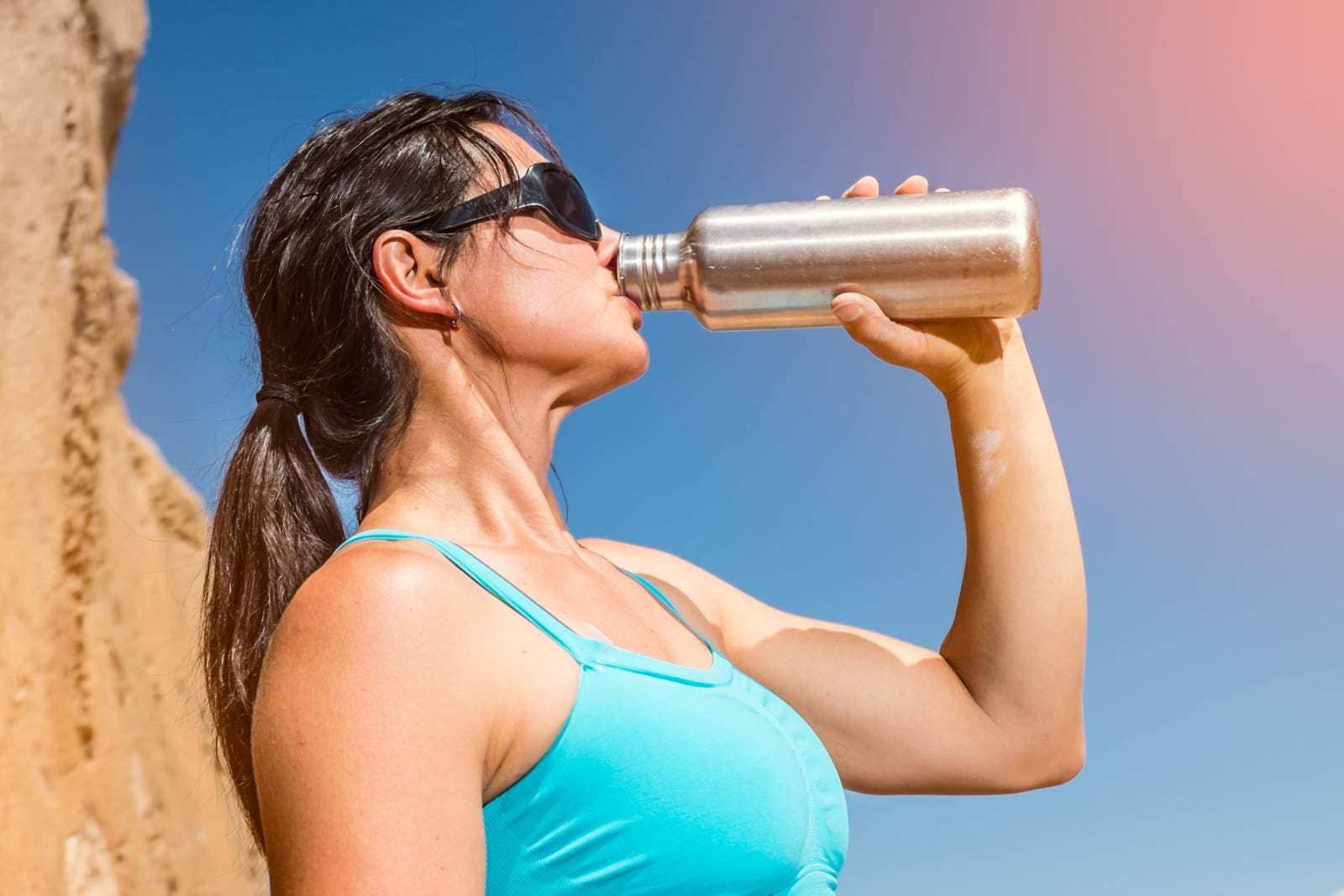
CBD during exercise in the heat: what one study found
New research suggests CBD may help your body handle exercise in the heat by supporting immune balance - without affecting natural thermoregulation.
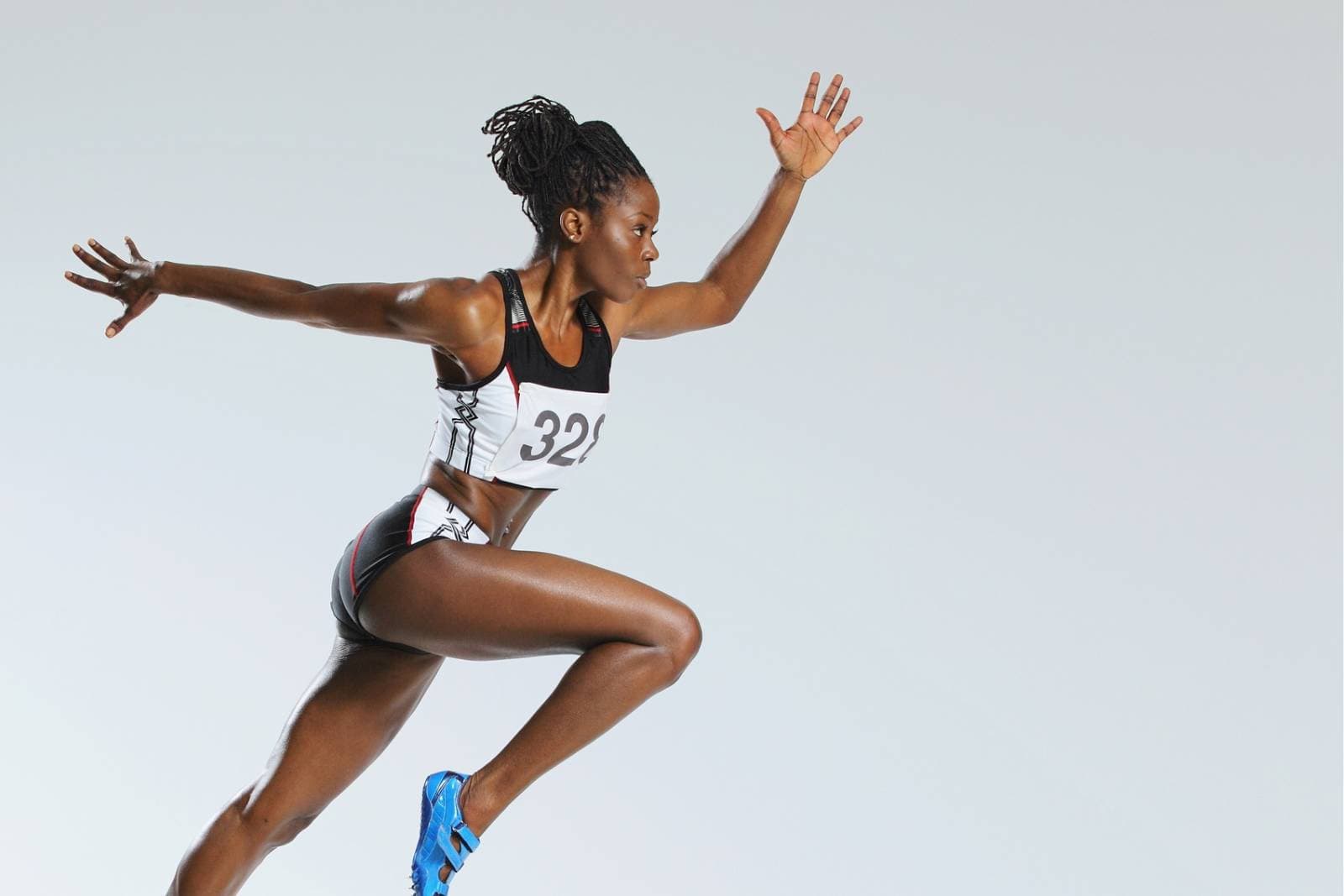
Can CBD Oil Improve Athletic Performance and Muscle Recovery? What Science Says
Discover what science says about CBD oil for muscle recovery, athletic performance, and post-workout inflammation - can it really help you recover faster?
Muscle soreness and recovery
5 articles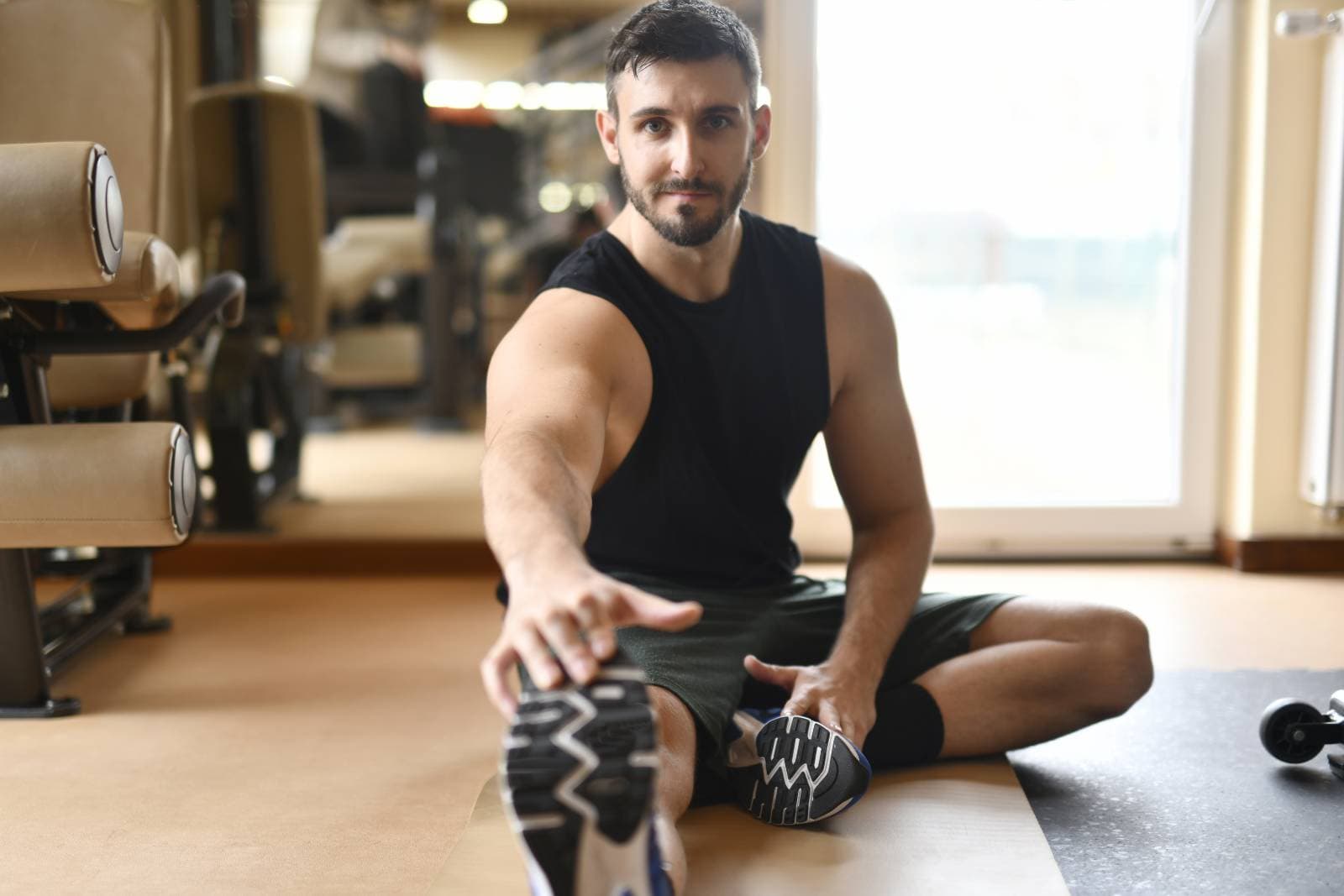
A CBD and CBG blend after exercise: what a pilot study found
A new pilot study explores the safety and potential of CBD and CBG in supporting muscle recovery after intense workouts. Here's what the science says.
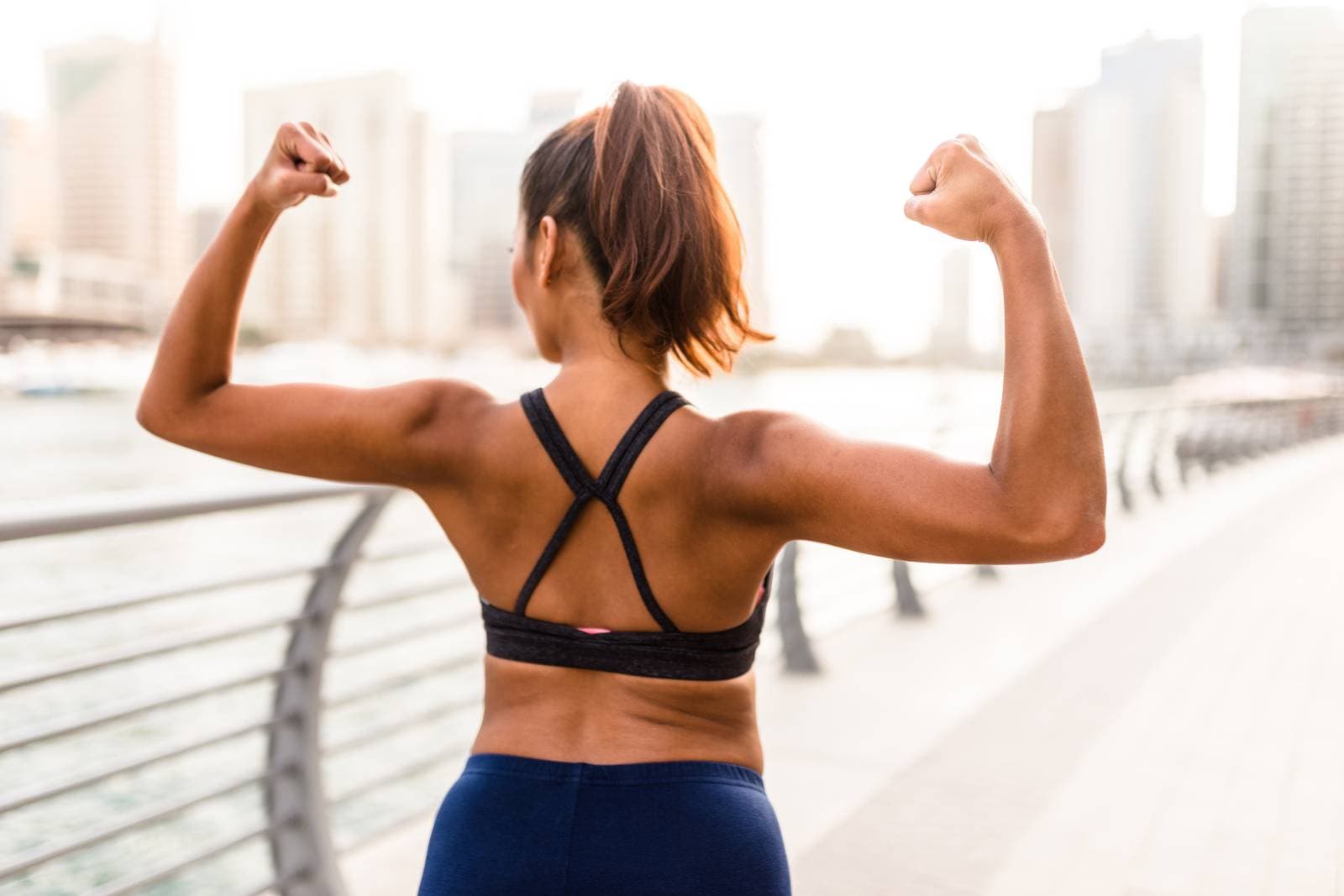
CBD for Muscle Recovery: Can it Enhance Your Workout?
Explore how CBD may help you recover faster and improve your performance - all based on recent research.
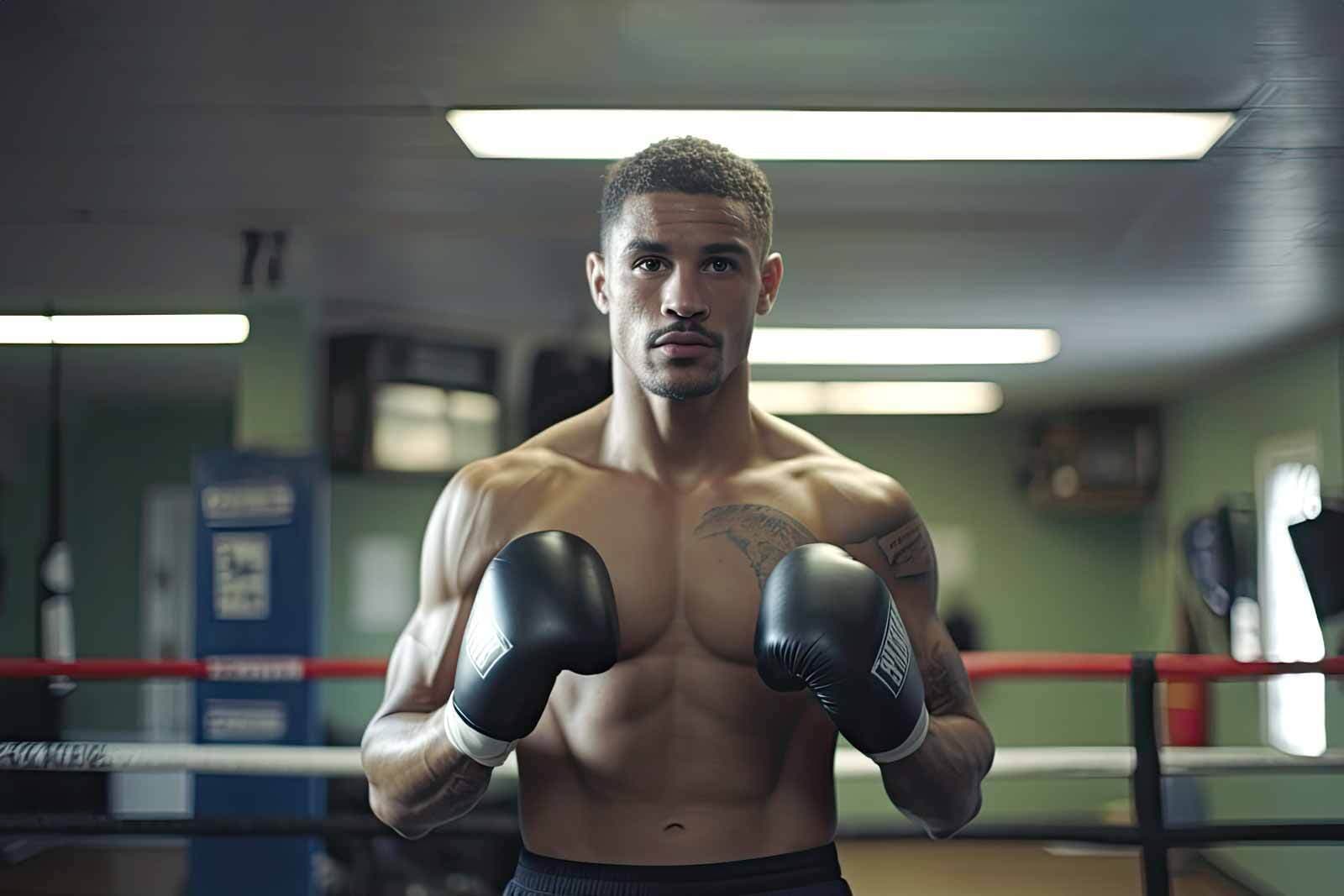
Revolutionizing Recovery: Cannabinoids to Combat Muscle Soreness
Mixing CBD and CBG with other recovery-supporting ingredients could mark a new era in managing muscle soreness. Learn more in our latest article.
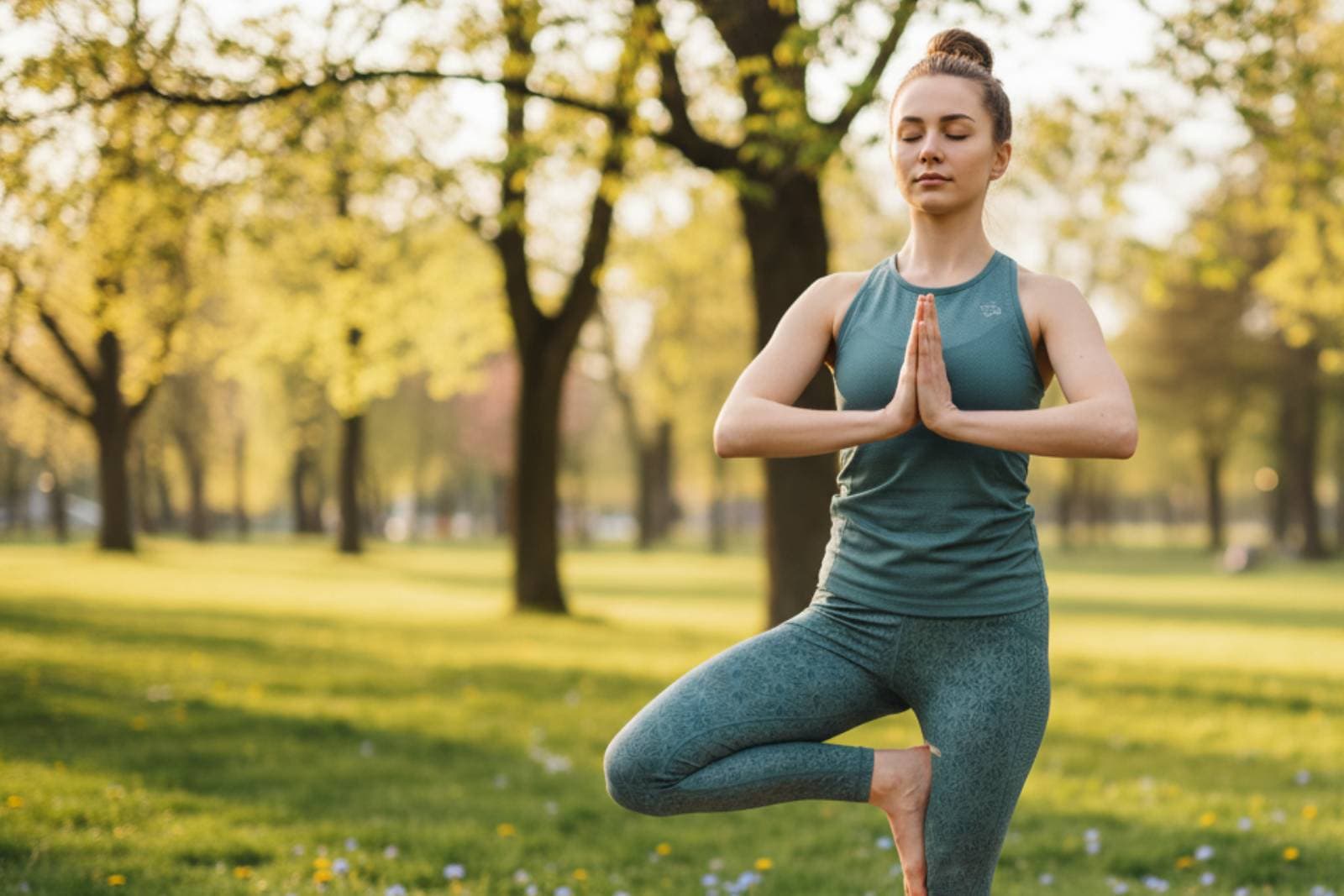
Can CBD (Cannabidiol)Support Recovery After a Sports Injury? Exploring the Science
Discover what science says about CBD (cannabidiol) for injury recovery - how it may ease pain, reduce inflammation, and support natural rehabilitation.
Athlete studies and experiences
3 articles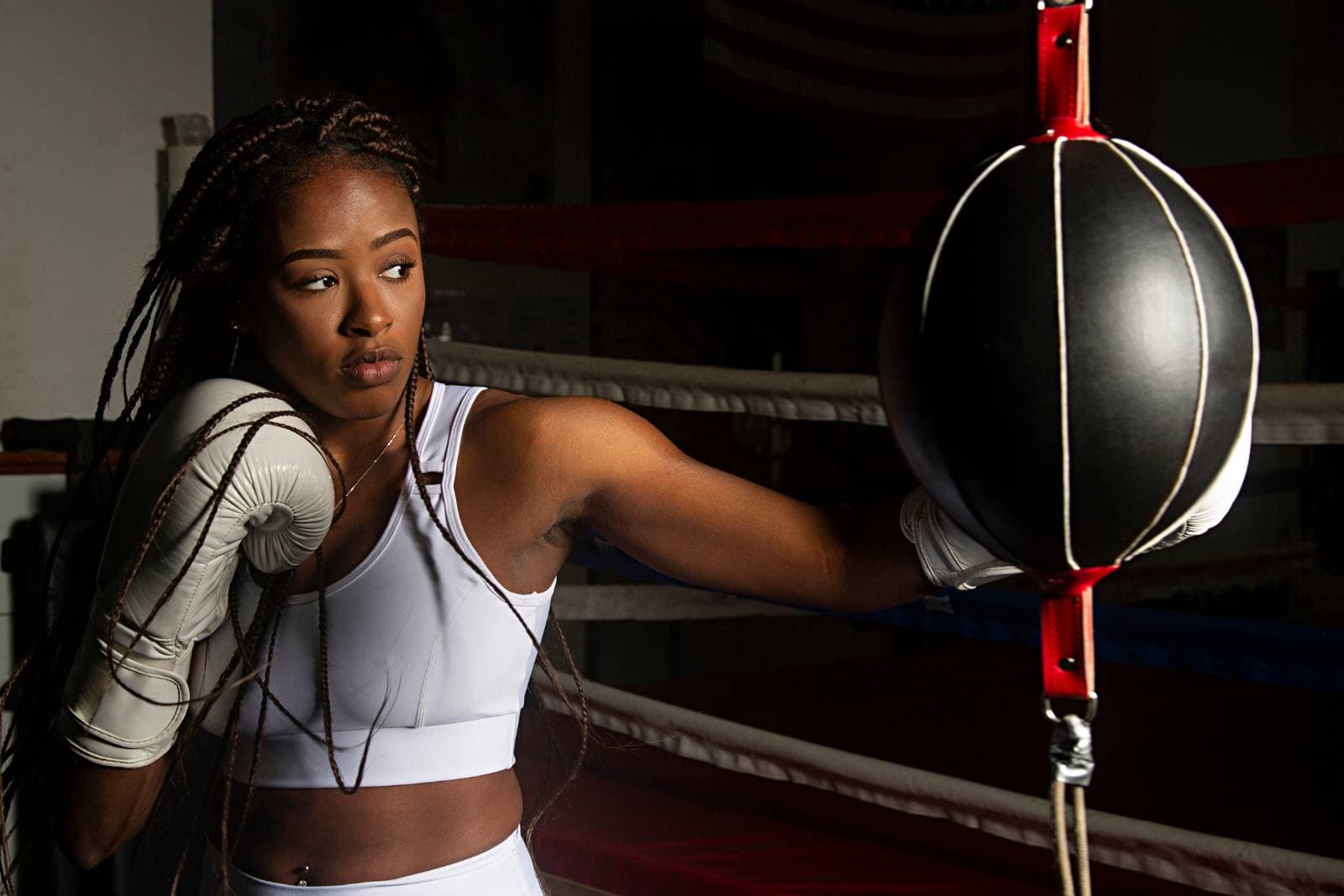
CBD for Recovery: What Elite Athletes’ Experiences Can Teach Us About Sleep, Pain and Relaxation
Elite athletes are using CBD for sleep and recovery. Here’s what the research shows about CBD, relaxation and post-exercise support.
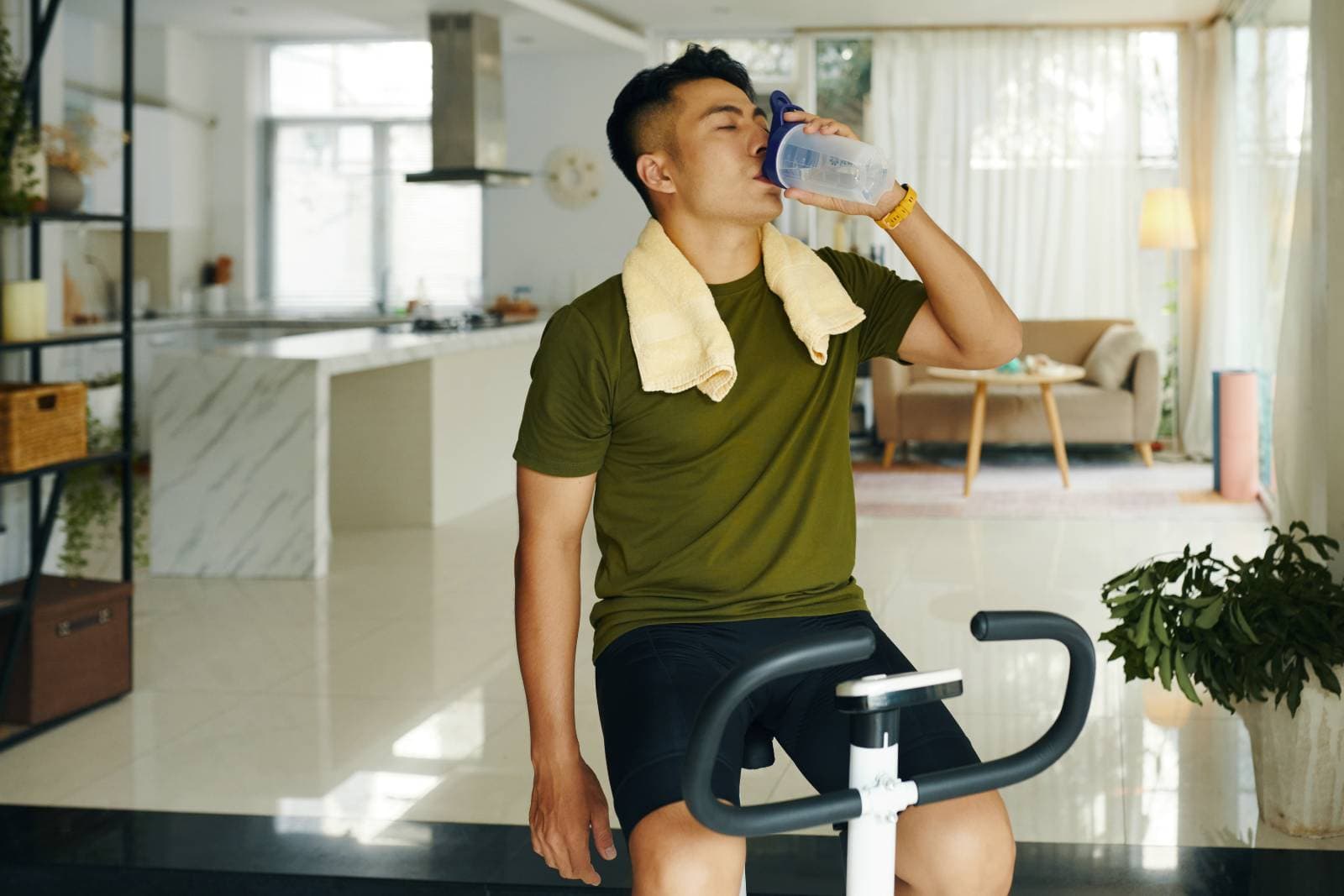
How CBD Could Support Inflammation and Recovery in Athletes: What the Latest Research Says
Discover what new research reveals about CBD, inflammation, and muscle recovery. Learn how cannabidiol may support active people.
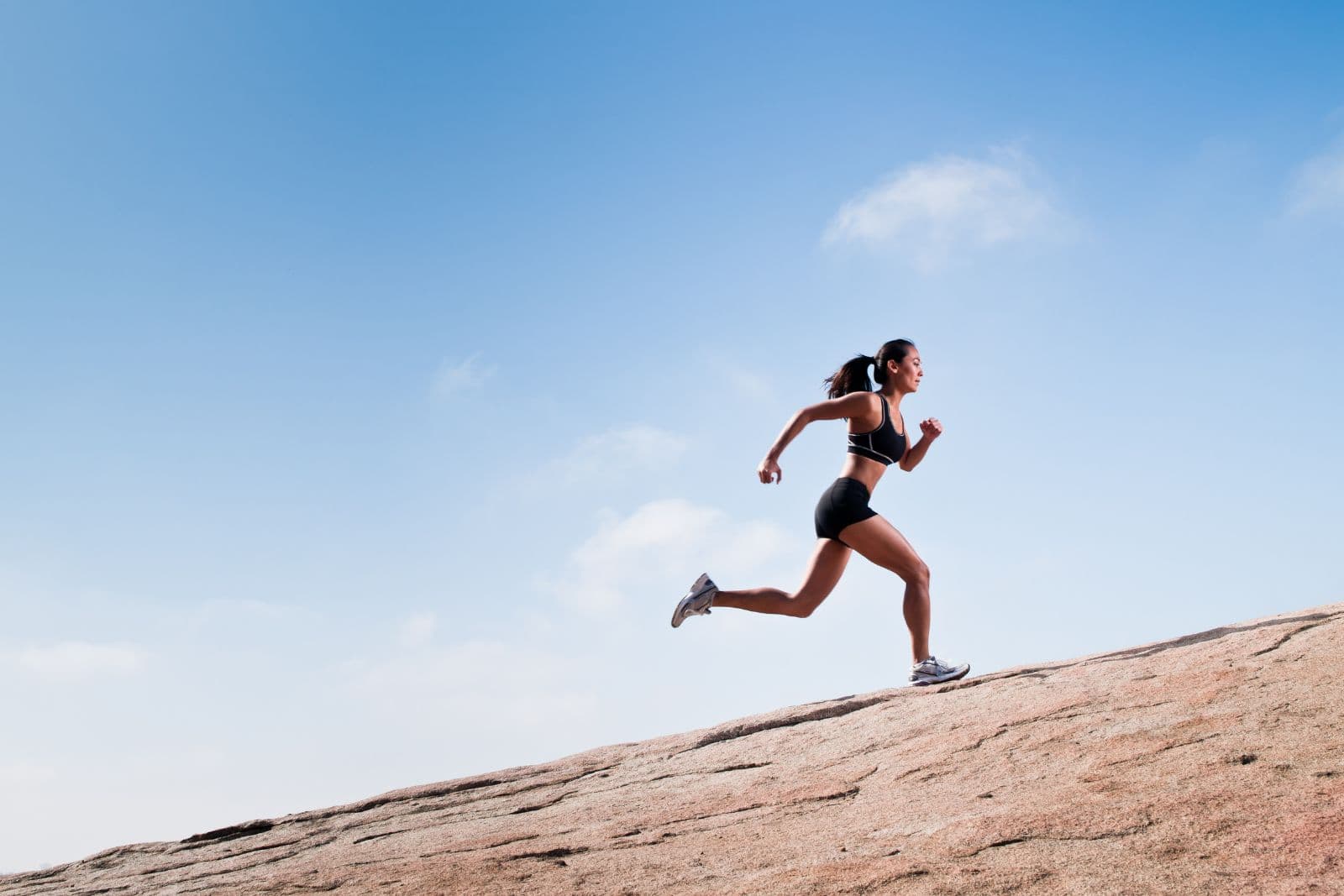
Unlocking the Power of CBD for Athletes: New Insights for Inflammation and Recovery
Learn how CBD could help to reduce inflammation, speed up recovery, and relieve anxiety to enhance your fitness journey.
Background and sources
Post-workout recovery includes what you eat and drink, how you rest and how you plan your next session. Start with those basics before considering recovery products. This guide is for general exercise education; pain, an injury or a medical condition may need individual advice.
Refuel and drink after exercise
A meal or snack containing carbohydrate and protein can help replace energy used during exercise and support muscle repair. Think about your whole day of eating as well as the time immediately after training. Regularly eating too little for the amount you exercise can have health consequences. Hospital for Special Surgery explains this in its guide to food before and after a workout.
For an ordinary meal, that might mean rice with beans and vegetables, or potatoes with eggs and salad. These are examples of combining foods, not a personalised nutrition prescription. Dietary needs vary with the person, the session and any health conditions.
Make fluids part of your routine too. How much you need depends on factors including the duration of exercise and the temperature. Long endurance events need more specific planning than a short, gentle session; a sports dietitian can help with that.
Leave room for rest and sleep
Put recovery time in your training plan rather than treating every day as another hard session. After a marathon, HSS advises taking time to return to running, prioritising sleep and food, and easing back with lighter activity. That is guidance for a demanding endurance event, not a fixed schedule for every workout. Read HSS on post-marathon recovery.
A useful planning question is: “What will tomorrow's session demand from the muscles I trained today?” If you are unsure how to balance sessions, ask a qualified trainer or physiotherapist. For bedtime habits, see our guide to sleeping better.
Understand soreness without chasing it
Delayed onset muscle soreness, often called DOMS, can develop one to three days after unfamiliar or intense exercise. You do not need to feel sore for a workout to be useful. While muscles are sore, ease off intense work on those muscles. Light movement may feel comfortable, but pushing through pain is not a recovery plan. Cleveland Clinic explains DOMS.
Seek medical advice for severe or persistent pain, marked swelling or unusually dark urine. Pain during exercise or pain that does not improve should not be casually labelled as normal soreness.
Where does CBD research fit?
Research on CBD and exercise asks several different questions: performance during activity, soreness afterwards, sleep and markers measured in blood. An improvement in one measure would not prove all the others. The formulation, participants and comparison group matter too.
- CBD, sport and recovery: an overview of the research
- A closer look at a CBD and CBG muscle recovery study
These research summaries are not evidence that a Harmony product repairs muscle, treats an injury or improves performance. A cosmetic balm and the preparation used in a clinical trial can have very different compositions and uses.
Before your next session
Consider how you feel, what you have eaten, whether you have had time to rest and whether there is pain you should have assessed. Those observations make a better starting point for a conversation with a coach or clinician than choosing a supplement based on a single study headline.