

Health topics
Sleep
Practical sleep habits, what to do when you are lying awake, and where CBD and cannabis research fits.
CBD and sleep
4 articles
CBD and Sleep: How Cannabinoids Can Help You Sleep Better
Anna Falk explains the endocannabinoid system, CBD and sleep research, and practical sleep habits.

The CBD Solution: Sleep Troubles Be Gone
A new study suggests that consistently using a low dose of CBD is safe and can significantly enhance sleep quality. CBD improves sleep quality as much as a low dose of melatonin.

A Good Night’s Sleep: CBD vs Insomnia
A trial sheds light on the effect of a high nightly dose of CBD on moderate to severe insomnia, showing CBD's subtle yet impactful role in enhancing sleep quality and overall wellbeing.
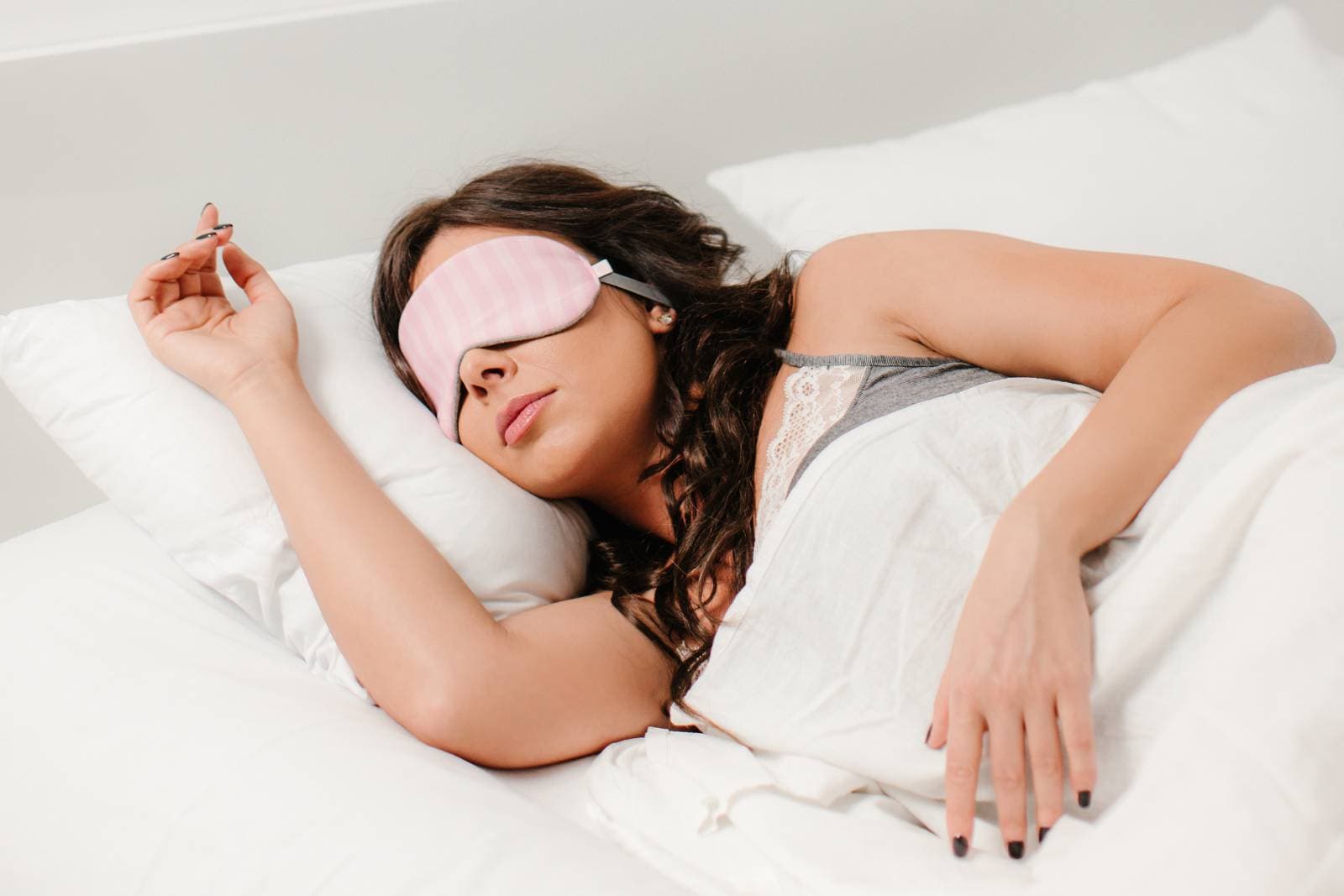
Can CBD Oil Help You Sleep Better? Latest Research on CBD for Sleep
Curious if CBD oil can help you sleep better? Discover the results of a major clinical study comparing CBD, melatonin, and other non-psychoactive cannabinoids. Learn what works best - and what’s safe.
Insomnia research
2 articles

Cannabis and sleep
1 articleOther sleep research
2 articles

Background and sources
A useful place to start is your daily routine: when you wake up, how you wind down and what happens when you cannot sleep. This guide brings those questions together, with separate reading on CBD and cannabis below. Neither is a substitute for getting help with persistent sleep problems.
Build a routine you can keep
Most healthy adults need roughly seven to nine hours of sleep, although individual needs vary. Notice how you feel during the day as well as the number on your clock. Repeated tiredness, poor concentration or difficulty coping can be reasons to look more closely at your sleep. NHS guidance on sleep problems explains the signs.
Try getting up at a similar time each day, including weekends. Give yourself a quiet period before bed, with something you find relaxing: reading, gentle music or a bath. Choose a routine that fits your circumstances. It is easier to repeat a small change than to follow an elaborate evening checklist.
Make it easier to settle
A dark, quiet room at a comfortable temperature can help. Put your phone aside before bed and consider whether light or noise is keeping you alert. Caffeine later in the day can make sleep harder; alcohol may make you sleepy initially but disturb sleep later. The NHS sleep tips cover these changes in more detail.
If worries take over at bedtime, writing them down earlier in the evening may help you set them aside. Our guide to managing stress looks at practical ways to address the pressures behind them.
What if you are lying awake?
Try not to force sleep. If you are lying awake and getting frustrated, the NHS suggests getting up and doing something relaxing, then returning to bed when you feel sleepier. Avoid turning the time awake into another task to perform perfectly.
A simple sleep diary can give you something concrete to discuss with a clinician: note your approximate bedtime, waking time, daytime tiredness and anything that seemed to disrupt the night. It does not need to be a precise minute-by-minute record.
CBD, cannabis and sleep: separate questions
Different cannabinoid preparations should not be treated as interchangeable. A study of a medicine containing THC and CBD cannot establish what a retail CBD oil will do. These articles explain the different questions:
Read a study with its limitations in view: who took part, what they used, whether there was a comparison group and how long follow-up lasted. A result from one preparation or group of patients is not a promise about another product.
When to get help
If sleep problems keep happening or affect everyday life, speak with a GP. Long-term insomnia can need more than changes to bedtime habits. The US National Heart, Lung, and Blood Institute describes cognitive behavioural therapy for insomnia, or CBT-I, as the usual first treatment option for long-term insomnia. It addresses both sleep habits and thoughts that make sleep harder. Read the NHLBI treatment guidance.
Do not change prescribed medicines because you suspect they affect sleep; discuss that with your prescriber or pharmacist.