


Toothache is one of those pains that stops you in your tracks. Whether it’s a dull, constant throb or a sharp jolt every time you eat or drink, it’s hard to think about anything else when your mouth is sore. Traditional painkillers can provide temporary relief, but they often come with side effects and, in some cases, limited effectiveness.
In recent years, many people have begun looking for natural alternatives to manage discomfort and support recovery after dental issues. One of the most talked-about options is cannabidiol (CBD) – a compound derived from the hemp plant that is attracting growing interest from both researchers and everyday users.
A new scientific review has examined the role of cannabinoids, including CBD, in oral health, focusing on tooth pain, inflammation, and even bone healing after dental surgery. While the evidence is still developing, the findings are intriguing and suggest that CBD may hold promise as a gentle, plant-based ally in dental care.
Understanding CBD and the Endocannabinoid System
To understand why CBD is being studied for tooth pain, it helps to know a little about how it works in the body. CBD is one of over a hundred compounds found in the cannabis plant, but unlike THC, it is non-psychoactive – meaning it does not cause a “high”.
CBD interacts with the endocannabinoid system (ECS), a network of receptors that help regulate functions such as pain perception, inflammation, mood, and immune response. In simple terms, the ECS acts like the body’s “balancing system”, keeping things in check when they go out of line.
Scientists believe that by influencing this system, CBD could help the body respond more calmly to pain and inflammation – two of the main culprits behind toothache and gum problems.
Why Tooth Pain Happens
Before diving into CBD, let’s look at why tooth pain occurs in the first place. Common causes include:
-
Dental decay – bacteria erode the enamel, exposing sensitive layers beneath.
-
Gum disease – inflammation and infection of the gums can radiate pain to the teeth.
-
Dental procedures – extractions, implants, or root canals often leave temporary soreness.
-
Tooth fractures or grinding – physical damage that irritates nerves.
In each of these cases, inflammation plays a major role. When tissues in the mouth are inflamed, they swell and press on surrounding nerves, amplifying pain signals to the brain. This is why researchers are exploring whether CBD’s potential anti-inflammatory and calming effects could make it useful for dental discomfort.
CBD for Tooth Pain: What the Research Says
The recent systematic review gathered studies from both humans and animals to explore CBD’s effects on orofacial pain (pain in the mouth, jaw, and face). The findings were varied but encouraging.
One clinical study looked at people with acute dental pain and found that those given CBD reported a noticeable reduction in discomfort compared to those on a placebo. Interestingly, the pain relief came on fairly quickly, suggesting CBD may act faster than some standard options.
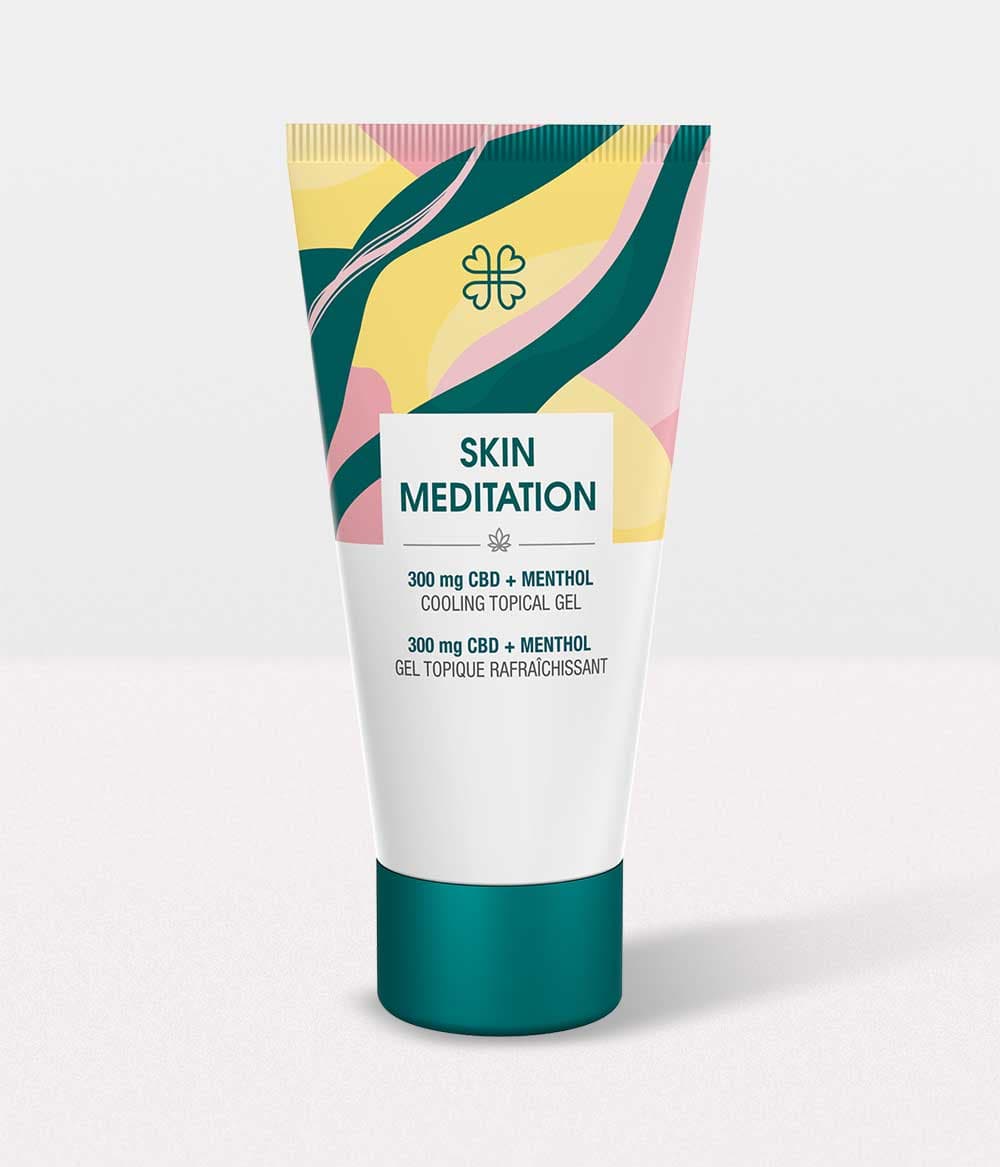
Another small trial tested topical CBD gel on patients with jaw muscle pain. The results showed reduced muscle activity and lower reported pain levels, pointing towards potential local benefits when CBD is applied directly to the affected area.
While these studies are promising, they are early steps. Larger trials are still needed to confirm exactly how effective CBD is for tooth pain, how it compares with traditional painkillers, and what the best doses might be.
CBD and Oral Inflammation: Calming the Root Cause
Many oral health problems, from bleeding gums to recurring ulcers, involve chronic inflammation. Researchers are particularly interested in CBD because it has been shown in several preclinical studies to reduce the production of molecules linked to inflammation.
In animal models of gum disease (periodontitis), CBD appeared to slow down bone loss in the jaw and reduce inflammatory markers. Some researchers even tested combinations such as CBD with taurine, which together seemed to have stronger protective effects.
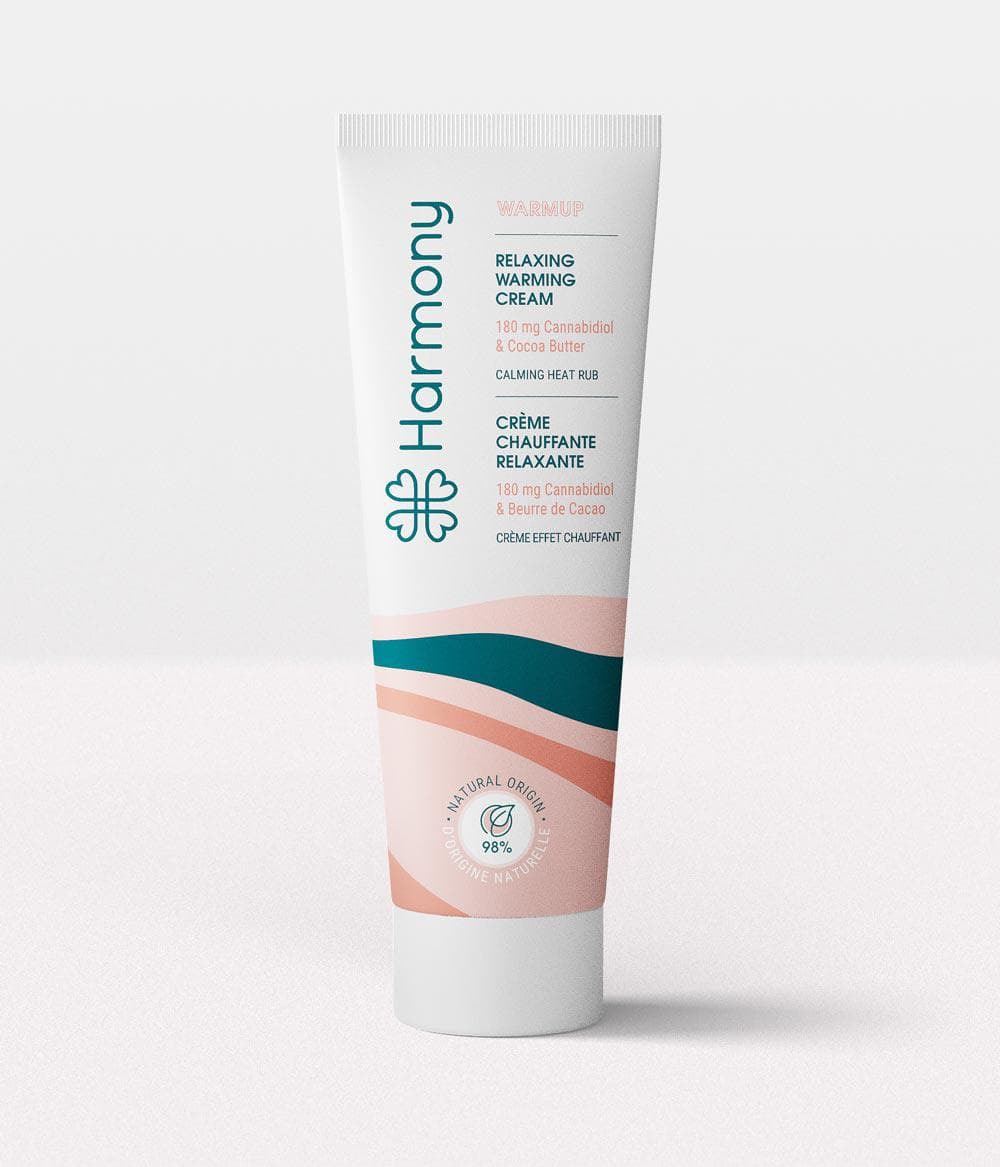
In human trials, topical CBD cream has been studied for recurring mouth ulcers, showing reductions in pain and faster healing compared to placebo. This suggests CBD could potentially support people who struggle with persistent oral inflammation, though again, more research is required before clear recommendations can be made.
Can CBD Support Bone Healing After Dental Surgery?
Beyond toothache and gum problems, the review also looked at CBD’s potential in bone healing. This is especially relevant for people undergoing dental implants or jaw surgery, where bone needs to integrate properly for long-term success.
In laboratory and animal studies, CBD appeared to encourage the activity of osteoblasts – the cells responsible for building new bone. It also seemed to reduce the activity of osteoclasts, which break bone down. Together, these effects may create a more supportive environment for healing.
Some experiments even showed that CBD increased collagen production, an important component of strong, resilient bone tissue. While these findings are not yet confirmed in large human trials, they open the door to exciting possibilities for post-surgical recovery in dentistry.
The Entourage Effect: More Than Just CBD
One fascinating aspect of cannabinoid science is the entourage effect – the idea that cannabinoids work better together with other plant compounds such as terpenes and flavonoids.
For example, beta-caryophyllene, a terpene found in hemp and other plants, also interacts with CB2 receptors and may enhance CBD’s soothing properties. Flavonoids like quercetin are known for their antioxidant activity, which could further support oral tissues during healing.
This synergy suggests that whole-plant extracts, which contain CBD alongside these natural companions, might provide a broader range of benefits compared to isolated CBD alone.
Safety, Side Effects, and What We Don’t Yet Know
It’s important to be realistic: while CBD shows promise, it is not yet a proven treatment for tooth pain. The evidence so far is limited, and results vary between studies.
In terms of safety, most trials report CBD as well-tolerated, with mild side effects such as drowsiness, digestive upset, or dry mouth in some cases. These effects are generally short-lived and manageable.
The bigger challenge lies in standardisation. Different studies use different forms of CBD (oral oils, sprays, topicals), at varying doses and purities. Until larger, high-quality clinical trials are done, it will be difficult to know the most effective way to use CBD for oral health.
Looking Ahead: The Future of CBD in Dentistry
Despite the limitations, the direction of research is promising. As the demand for non-opioid, plant-based solutions grows, scientists are taking a closer look at how CBD could be integrated into dental care.
Some possible future applications include:
-
CBD-based gels for post-extraction pain.
-
CBD mouth rinses to calm gum inflammation.
-
CBD supplements to support recovery after implants.
There is also growing interest in CBD’s ability to ease anxiety, which many people experience before dental appointments. Early research suggests CBD may promote calmness by interacting with serotonin receptors, potentially making dental visits less stressful.
Conclusion: CBD as a Gentle Ally for Oral Health
Tooth pain and oral inflammation can significantly affect daily life, from eating and speaking to simply enjoying a good night’s sleep. While traditional treatments remain essential, CBD is emerging as a fascinating natural option under scientific investigation.
Research so far suggests that CBD could play a role in:
-
Reducing the intensity of tooth pain.
-
Supporting gum health by calming inflammation.
-
Encouraging bone healing after dental procedures.
It’s too early to call CBD a definitive solution, but the evidence is growing. For now, CBD should be seen as a potential complement to good oral hygiene and professional dental care, rather than a replacement.
As more studies are published, we may see CBD move from an experimental idea to a recognised tool in the dental world. Until then, anyone considering CBD for oral health should consult a healthcare professional and choose high-quality, tested products.
Curious to learn more? Reach out with any questions - our team is here to help!
Sources
Int J Mol Sci. 2025 Apr 16;26(8):3766.
Cannabinoids: Therapeutic Perspectives for Management of Orofacial Pain, Oral Inflammation and Bone Healing—A Systematic ReviewRead the publication