


Sleep is something most of us take for granted - until it stops working properly. Lying awake for hours, waking up in the middle of the night, or feeling as though you’ve hardly slept despite spending eight hours in bed can leave you drained and frustrated. Insomnia, in its many forms, affects millions of people worldwide, disrupting not only rest but also mood, concentration, and quality of life.
In recent years, cannabidiol (CBD) has attracted attention as a potential natural option for those searching for support with sleep problems. But does CBD really help people with insomnia? A new pilot study from Australia explored this very question, offering some surprising insights into how CBD might influence sleep and well-being.
Why So Many People Struggle With Insomnia
Insomnia isn’t just about not being able to fall asleep. It includes difficulty staying asleep, waking too early, or experiencing poor quality rest that leaves you tired the next day. For some, insomnia is short-lived, perhaps triggered by stress or life changes. For others, it becomes a long-term condition that impacts daily functioning, mood, and even physical health.
Conventional treatments often involve sleeping tablets or sedatives, which can be effective but may also bring side effects or the risk of dependency. This is one reason why many people are now looking towards natural approaches - including lifestyle changes, relaxation techniques, and plant-based supplements such as CBD.
CBD Explained: A Non-Psychoactive Compound From Cannabis
CBD, short for cannabidiol, is one of the many compounds found in the cannabis plant. Unlike THC, the psychoactive compound responsible for the “high” associated with cannabis, CBD does not produce intoxicating effects. Instead, it interacts with the body’s endocannabinoid system - a complex network involved in regulating functions such as mood, stress response, pain, and sleep.
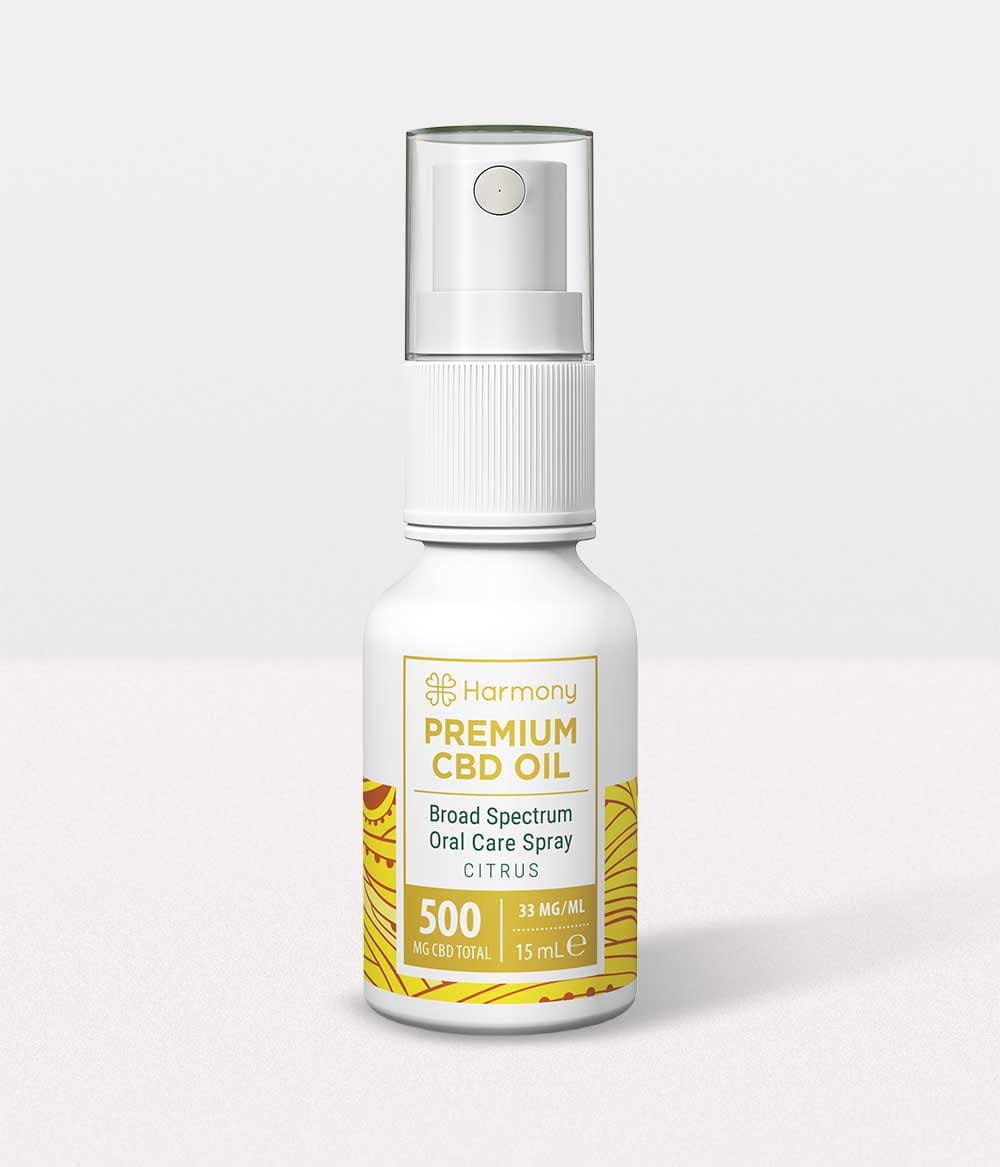
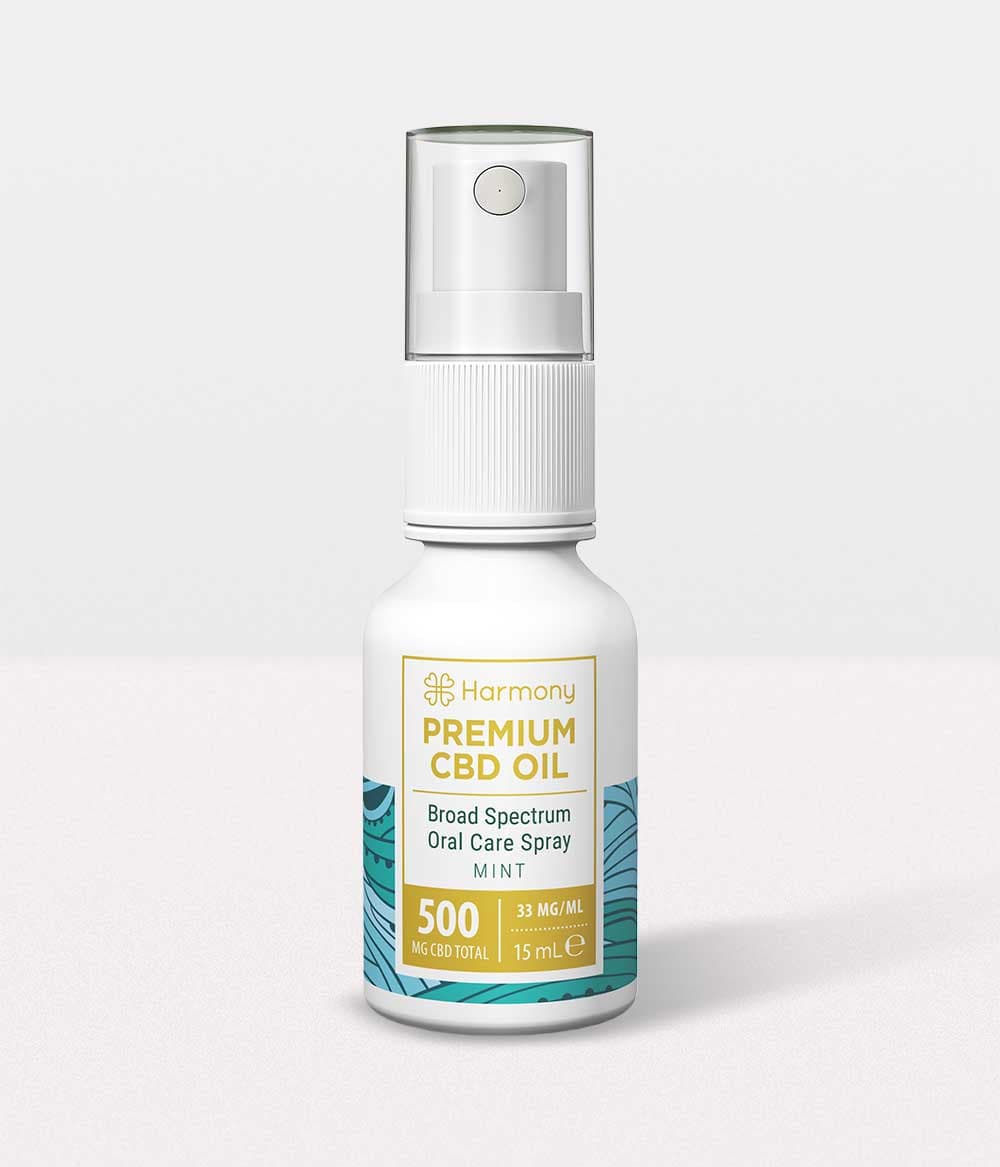
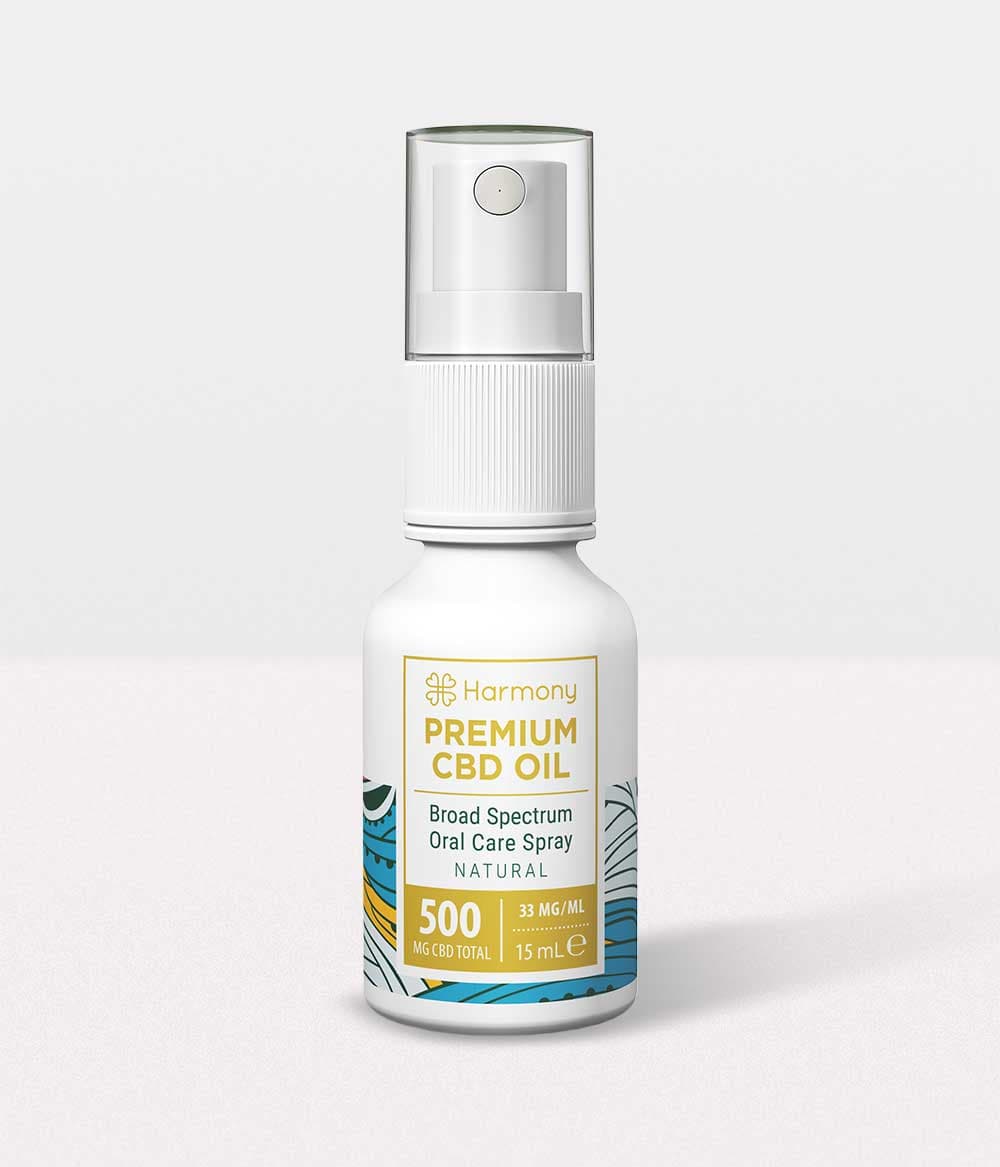
Because of this interaction, CBD has been widely explored for its potential to promote relaxation, reduce anxiety, and support sleep. Many people use it in the form of oils, capsules, gummies, or sprays, often as part of a broader wellness routine. However, while anecdotal reports are positive, scientific research is still catching up.
A Closer Look at the New Study
Researchers at the Swinburne University of Technology in Melbourne conducted one of the first controlled trials examining how CBD affects people with primary insomnia - that is, ongoing sleep difficulties not caused by another medical or psychiatric condition.
The study involved 30 adults with moderate to severe insomnia. Half the group took a nightly dose of CBD oil (150 mg) before bed for two weeks, while the other half took a placebo (an inactive oil that looked and tasted the same). Throughout the trial, participants kept sleep diaries, wore wrist devices to track sleep, and completed questionnaires on their well-being and anxiety levels.
What the Researchers Found
The results were nuanced. CBD did not dramatically reduce the severity of insomnia compared to placebo. For example, measures such as the time it took participants to fall asleep or the number of times they woke up during the night did not differ significantly between the two groups.
But the study also revealed some intriguing patterns:
-
Improved sleep efficiency: People in the CBD group spent a higher proportion of their time in bed actually sleeping, suggesting that CBD may help the body use rest time more effectively.
-
Better morning balance and alertness: After one week, those taking CBD reported feeling more refreshed, coordinated, and balanced upon waking.
-
Enhanced well-being: Across the two weeks, the CBD group consistently reported higher scores on a well-being scale compared to placebo.
In other words, while CBD didn’t “cure” insomnia in this short study, it did appear to support how people felt about their sleep and daily functioning.
Why Well-being Matters in Sleep Research
Sleep and mental health are closely connected. Poor sleep can worsen mood and increase stress, while anxiety and low mood often make sleep problems harder to overcome. This creates a cycle where one issue fuels the other.
By improving well-being - even without radically changing sleep duration - CBD may help break that cycle. Feeling calmer, more balanced, and more positive can make it easier to approach bedtime without the stress that so often keeps people awake. This indirect effect could be one of the reasons why many people report benefits when using CBD for sleep.
Limitations of the Trial
As with any scientific study, there are important caveats:
-
Small sample size: With only 30 participants, the findings provide early insights but cannot be considered definitive.
-
Short duration: The trial lasted two weeks. Sleep difficulties often fluctuate over months or years, so longer-term studies are needed.
-
Single dose tested: Only 150 mg was used. Different doses - or different ways of taking CBD, such as capsules versus oils - may lead to different outcomes.
These factors mean we should interpret the results cautiously. Still, they add valuable evidence to an area where research is urgently needed.
How Does This Fit Into the Bigger Picture?
This study is not the first to examine CBD and sleep. Previous research has suggested that CBD may be more effective at reducing anxiety, which in turn can indirectly support better rest. Some studies have found improvements in sleep satisfaction with daily CBD use, while others report mixed results.
What makes the Australian trial stand out is its focus on people with diagnosed primary insomnia and its use of objective measures such as actigraphy (wrist-based sleep tracking), not just self-reports. Even though the outcomes weren’t dramatic, the consistent improvements in well-being and sleep efficiency point to CBD’s potential as part of a broader approach to sleep support.
The Role of Sleep Efficiency
One particularly interesting finding was the improvement in sleep efficiency among those taking CBD. Sleep efficiency measures how much of the time spent in bed is actually spent sleeping. For people with insomnia, lying awake in bed can be a source of stress, making the problem worse. If CBD helps the body use bedtime more effectively, even without increasing total sleep time, this could reduce frustration and help build healthier sleep patterns over time.
Practical Considerations for CBD and Sleep
If you are considering trying CBD as part of your sleep routine, here are some points to keep in mind:
-
Consistency matters: CBD may work best when taken regularly, rather than as a one-off remedy.
-
Start low, go slow: Effects can vary from person to person, so starting with a lower dose and adjusting gradually is often recommended.
-
Consider timing: Many people take CBD about an hour before bed, as was done in the study.
-
Lifestyle factors still count: Good sleep hygiene - such as a dark, quiet bedroom, limiting screen time before bed, and a regular sleep schedule - remains essential.
Looking Ahead: Where Research Needs to Go
The next steps for science are clear: larger studies, longer trials, and a closer look at different doses and delivery methods. Researchers also suggest exploring how CBD works for different types of insomnia - for example, difficulty falling asleep versus waking up too early.
Another area of interest is how CBD might work in combination with other cannabinoids, such as cannabinol (CBN) or small amounts of THC, as some studies suggest these compounds may act synergistically. For now, however, CBD on its own is proving to be safe, well tolerated, and worthy of further investigation as a natural sleep support.
Conclusion: A Gentle Aid, Not a Miracle Cure
The new study from Australia doesn’t present CBD as a miracle cure for insomnia - but it does highlight meaningful ways in which cannabidiol may support sleep and well-being. By improving sleep efficiency and helping people feel more balanced and positive, CBD could offer gentle, natural support for those struggling with restless nights.
As research continues, CBD may find its place not as a stand-alone solution, but as part of a holistic routine that includes healthy sleep habits, stress management, and lifestyle changes. For the many people who long for better rest, that could make all the difference.
Curious to learn more? Reach out with any questions - our team is here to help!
Sources
J Clin Sleep Med. 2024 May 1;20(5):753-763.
Cannabidiol for moderate-severe insomnia: a randomized controlled pilot trial of 150 mg of nightly dosingRead the publication