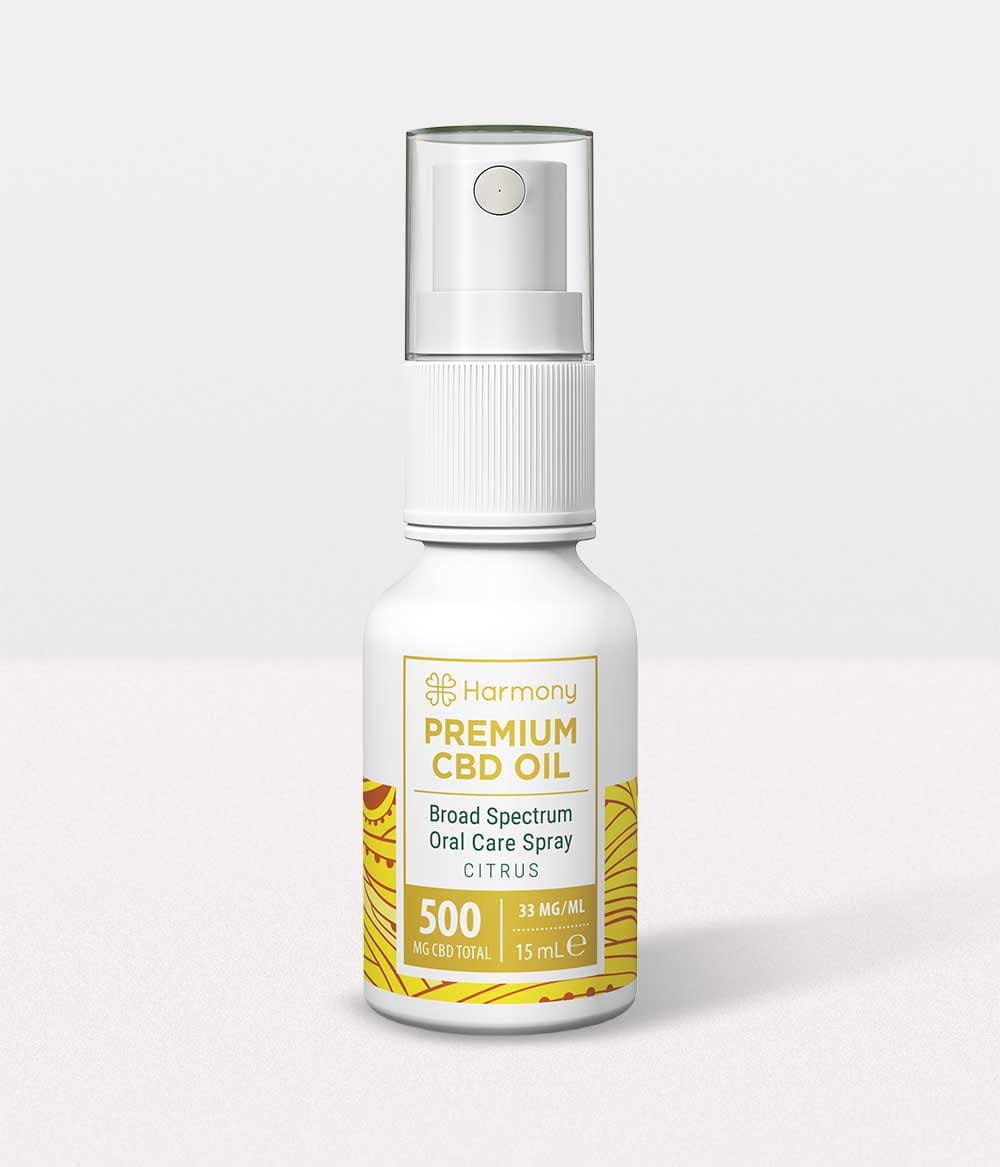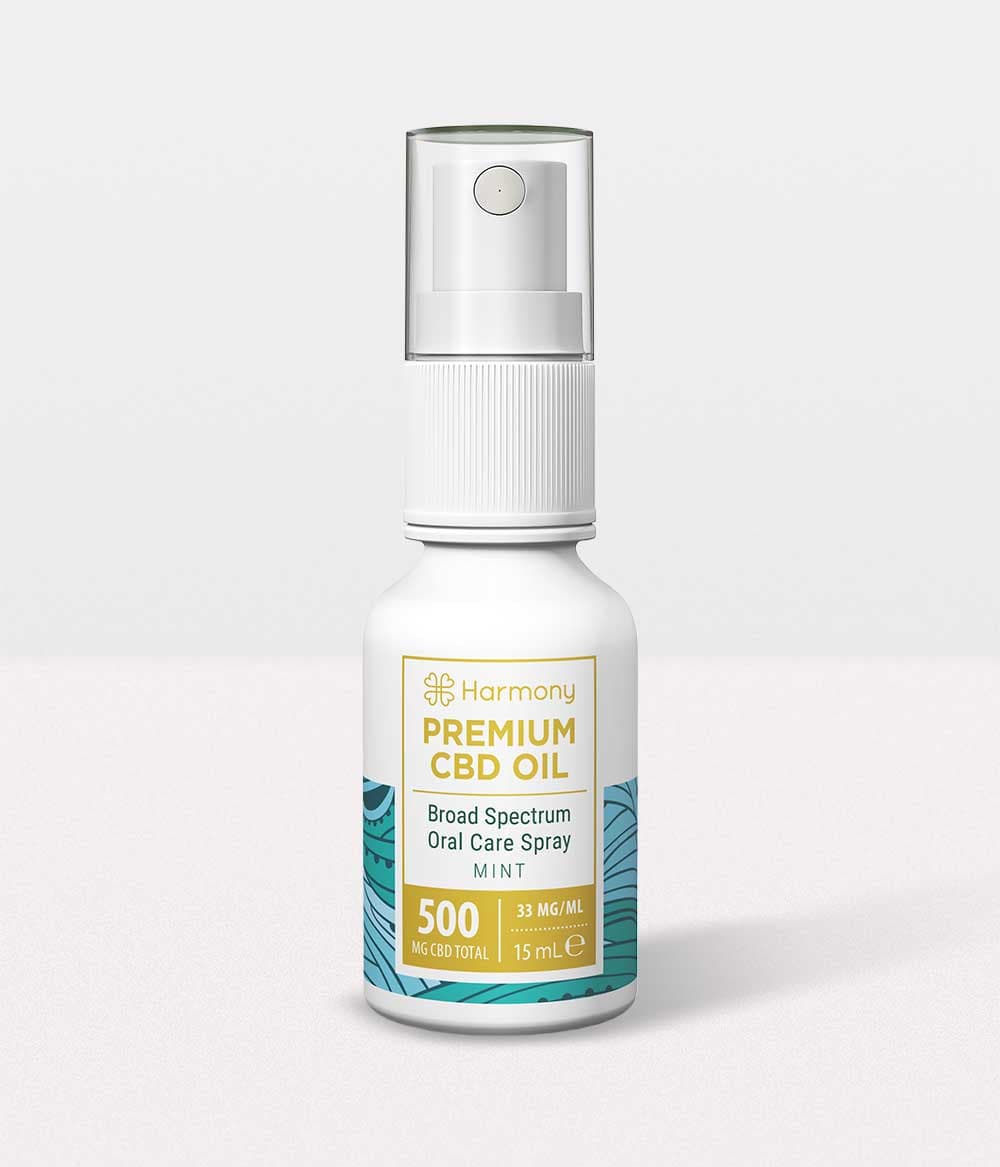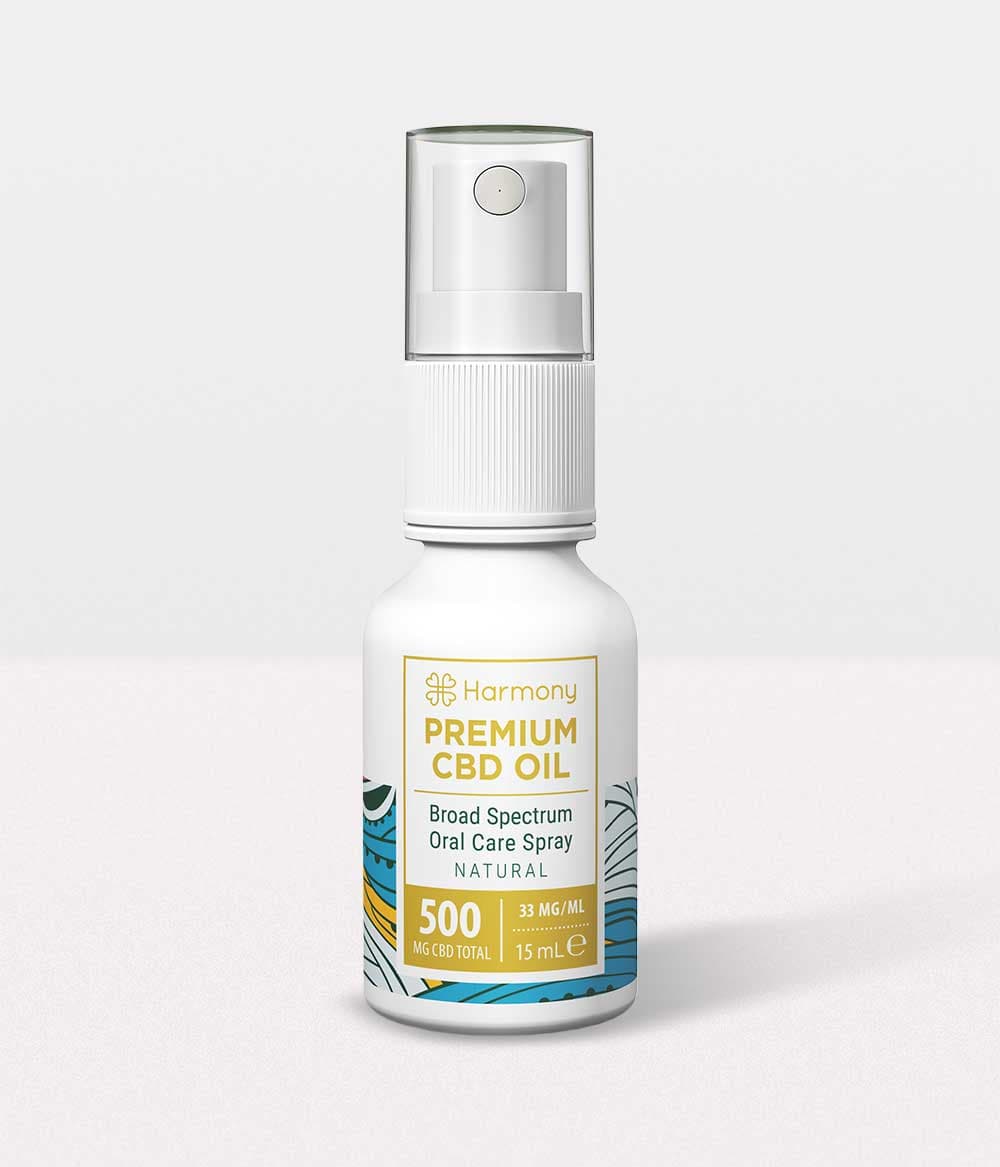


CBD stands for cannabidiol, a compound found in the cannabis plant. It differs from THC, the compound responsible for the cannabis “high”. Understanding that distinction is a useful starting point, but it does not tell you whether a particular CBD product is suitable, effective or legal.
This guide explains the ingredient, common product descriptions and the questions to ask before using it. For a specific health question, read the relevant evidence guide rather than treating a general introduction as a treatment recommendation.
CBD, THC and hemp: what is the difference?
CBD and THC are different cannabinoids. A plant extract may contain both, alongside other compounds. “Hemp” describes cannabis cultivated within particular regulatory limits; it is not a guarantee that every finished product is free of THC or permitted everywhere. The UK Home Office distinguishes pure CBD from products containing controlled cannabinoids, which must meet additional legal requirements.
Hemp seed oil is also different from CBD oil. The former is an oil from seeds; the latter usually means CBD extract or isolate mixed into a carrier oil. Read the ingredients and stated CBD content rather than relying on a picture of a hemp leaf.
What does the evidence show?
Evidence depends on the condition, formulation and study design. A regulated prescription CBD medicine is not interchangeable with a shop-bought oil, cosmetic or vape liquid. Findings from one preparation cannot establish the performance of another.
Sleep research illustrates why those distinctions matter. In a small placebo-controlled insomnia trial, CBD performed similarly to placebo on most sleep outcomes. Some other measures improved, but this does not establish a reliable sleep treatment. Our CBD and sleep overview explains the studies and their limitations; the sleep guide covers the broader practical question.
A survey can show why people use CBD and what they report experiencing. It cannot separate the ingredient's effect from expectations, other changes or selection bias. Laboratory findings and customer reviews likewise answer different questions from a controlled clinical trial.
How are CBD products described?
Extraction concentrates compounds from plant material; further processing can remove or separate components. Manufacturing descriptions alone do not establish purity or a health benefit.
- CBD isolate: CBD separated from other plant compounds.
- Broad spectrum: usually describes several plant compounds with THC removed or reduced. Check the actual analysis.
- Full spectrum: usually describes a wider mixture that may include THC. The phrase is not proof of stronger effects or legal compliance.
These commercial descriptions are not a substitute for the ingredient list and batch report. A report should identify the tested batch, laboratory, measured cannabinoids, units and detection limits. “Not detected” means below the method's detection limit, not a guarantee of absolute absence. Only the substances actually tested are covered.
Formats and labels
Oils, sprays, capsules, cosmetics and vape liquids have different intended uses. They are not interchangeable. Follow the labelled route: an oral carrier oil should not be put into a vape, and a cosmetic is for external use. This list explains formats; it is not a recommendation to start vaping.
Compare the total CBD quantity with the container volume and the stated amount per serving. A large number on a bottle can describe its total contents rather than one serving. Product instructions belong with the exact item; they do not establish a dose for treating a condition.
Before choosing a product
Check the ingredient list, intended use, CBD quantity and batch number. Look for a laboratory report that matches that batch and identifies what was tested. Keep the manufacturer's contact details and instructions. Claims that a consumer product cures a disease are a reason to question the seller, not evidence of quality.
Safety and current UK food advice
CBD can cause drowsiness or digestive symptoms, affect medicines and carry a risk of liver injury. Alcohol or sedating medicines can increase drowsiness. Discuss use with a healthcare professional, particularly if you take medication.
The Food Standards Agency advises healthy adults to limit CBD from food to 10 mg a day. This precautionary food advice replaced its earlier 70 mg figure; it is not a treatment dose or a promise of safety. It advises against use by under-18s, people taking medicines, those trying to conceive, and people who are pregnant or breastfeeding, unless under medical direction. Follow the current advice relevant to your country.
Legality, travel and drug testing
A hemp cultivation percentage is not a universal finished-product allowance. UK requirements depend on the product and its composition. Check the current Home Office guidance and the applicable food, cosmetic or medicine rules. Before travelling, check the authorities for your destination and transit countries; a lawful purchase at home does not establish permission abroad.
Do not rely on a “THC-free” label to guarantee a negative drug test. UK Anti-Doping warns that CBD products can contain prohibited cannabinoids and that a laboratory report does not eliminate that risk. Athletes remain responsible under their sport's rules.
Sources
Food Standards Agency: CBD consumer advice, vulnerable groups and the 10 mg food limit.
Home Office: cannabis, CBD and other cannabinoids drug licensing factsheet.
US FDA: CBD, prescription medicines and safety risks. US regulatory statements are not UK product authorisations.