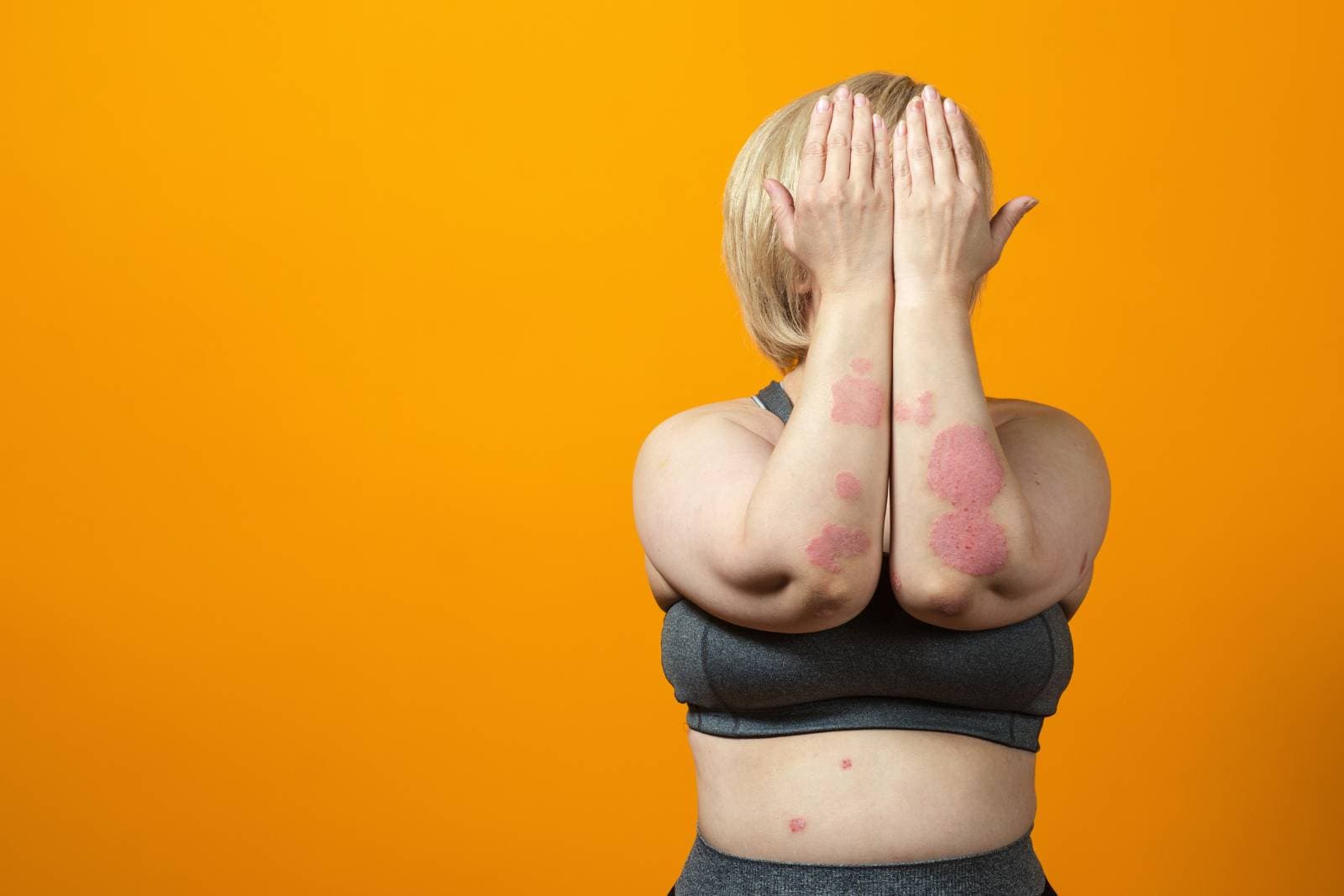


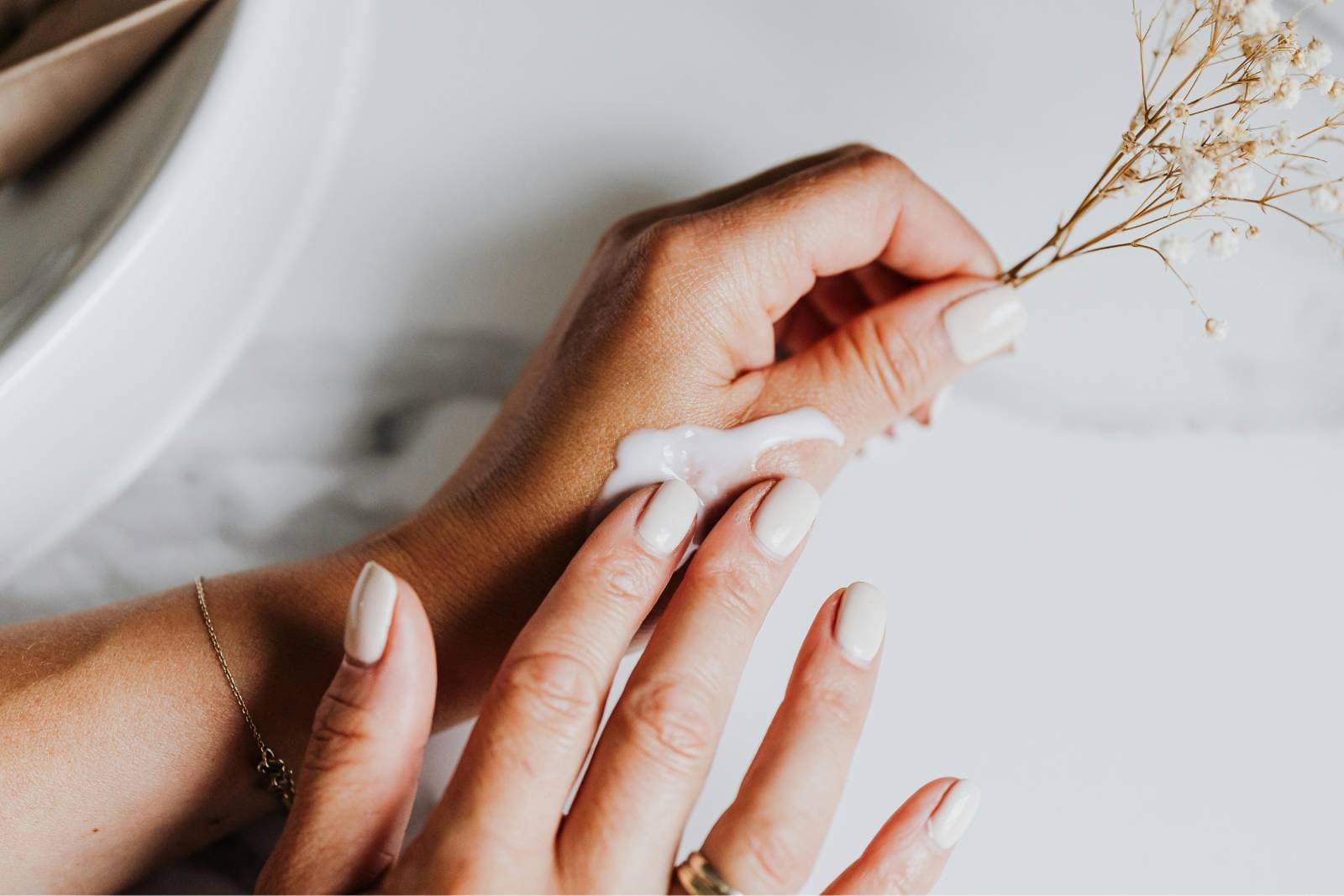
For anyone living with psoriasis, even a small flare-up can feel like a battle between your body and your confidence. The red, itchy, and scaly patches that appear on the skin can be both uncomfortable and emotionally draining. Traditional treatments like topical creams, phototherapy, or prescription medication often help, but they don’t always bring lasting relief - and sometimes come with unwanted side effects.
This has led researchers to explore new, more natural ways to support skin balance. One of the most talked-about options today is cannabidiol (CBD) - a non-psychoactive compound found in the hemp plant. Over the past few years, scientists have discovered that CBD might play a role in calming inflammation, regulating skin cell activity, and easing irritation.
A recent scientific review published in Psoriasis: Targets and Therapy (2024) has taken a closer look at how CBD interacts with the body, particularly through the skin’s own regulatory network - the endocannabinoid system. The findings are early but encouraging, painting a picture of CBD as a promising natural ally for sensitive or reactive skin.
What Is Psoriasis and How Can CBD Cream or Hemp Oil Help Manage It?
To understand why CBD has caught researchers’ attention, it helps to first know what’s happening in psoriasis.
Psoriasis is an autoimmune skin condition, meaning the body’s immune system mistakenly attacks its own cells. Instead of allowing skin cells to renew gradually over a few weeks, the process speeds up dramatically - taking only a few days. As a result, new cells build up on the surface before the old ones can shed, forming thickened, scaly patches that can itch, flake, and sometimes crack or bleed.
While the exact cause isn’t fully understood, a combination of genetics, stress, infections, and environmental triggers appears to play a role. For many people, flare-ups can be linked to stress or immune overactivity.
Because inflammation is at the core of psoriasis, most treatments aim to calm the immune system or slow down excessive skin-cell growth. That’s where CBD enters the conversation - as a potential way to naturally support balance in both areas.
The Endocannabinoid System and Skin Health: How Cannabinoids Work Beneath the Surface
When people hear about CBD, they often think of the brain or mood. But what’s less well known is that our skin also has its own cannabinoid network - the endocannabinoid system (ECS).
The ECS is like the body’s internal balancing mechanism. It’s made up of three key components:
-
Endocannabinoids, natural molecules produced by our bodies;
-
Cannabinoid receptors, found throughout organs, immune cells, and even skin tissue;
-
Enzymes, which build and break down these molecules as needed.
Together, these elements help regulate functions such as pain perception, inflammation, mood, and skin renewal. In healthy skin, the ECS helps maintain homeostasis - a steady state where cells grow, renew, and protect the body as they should.
When this balance is disrupted, skin can become overly dry, inflamed, or sensitive. According to the review by Stanescu and colleagues (2024), CBD may interact with this system by supporting its ability to restore equilibrium. In other words, when the skin’s “balancing” mechanisms are out of sync, CBD might help nudge them back towards normal function.
Using CBD for Psoriasis: How Cannabidiol May Calm Inflammation and Improve Skin Balance
CBD’s potential role in skin health isn’t linked to one single mechanism - it’s multifaceted. The review highlights several ways in which CBD may influence processes relevant to psoriasis.
1. Modulating inflammation
Inflammation is a natural response to injury or infection, but in psoriasis it becomes chronic and overactive. The review found that CBD could help regulate inflammatory molecules called cytokines, which are responsible for signalling immune responses. By influencing these messengers, CBD might help the body respond more calmly, reducing the intensity of inflammatory reactions.
2. Regulating skin cell turnover
In psoriasis, skin cells multiply far too quickly. Early research suggests that CBD may slow down this process by interacting with cellular pathways involved in cell growth and differentiation. This could help restore a healthier renewal rhythm without disrupting the skin’s natural barrier.
3. Combating oxidative stress
Oxidative stress occurs when there’s an imbalance between free radicals and antioxidants in the body. It contributes to inflammation and can worsen skin conditions. CBD is known for its antioxidant properties, which may help neutralise free radicals and protect skin cells from oxidative damage.
4. Soothing discomfort and itch
Anyone with psoriasis knows how persistent itching can be. CBD interacts with TRPV receptors - the same nerve channels involved in sensing pain, heat, and itch. Early evidence suggests that by activating these receptors, CBD could help calm sensations of irritation and contribute to overall comfort.
It’s important to note that these effects have been observed mainly in laboratory and early clinical studies. While they offer fascinating insights, researchers emphasise that larger trials are needed to confirm exactly how CBD works in the context of psoriasis.
What Studies Say About CBD Creams and Medical Cannabis for Patients with Psoriasis
The scientific review examined multiple studies on how cannabinoids, including CBD, have been tested for psoriasis.
One small clinical study used a broad-spectrum CBD shampoo containing 0.075% CBD and found notable improvements in redness, scaling, and itching among participants with mild to moderate scalp psoriasis after two weeks of daily use. No side effects were reported, suggesting that topical formulations may be well tolerated.
Another experiment explored a CBD and cannabigerol (CBG) oil blend used on psoriatic lesions. Results indicated that higher concentrations (15%) were more effective in reducing symptoms than lower doses (3%), hinting at a potential dose-response relationship.
In cell studies, cannabinoids such as CBD, CBG, and THC all demonstrated an ability to slow down the overproduction of skin cells, one of the key features of psoriasis. Researchers also observed that CBD could support antioxidant defences in skin cells exposed to stress, further reinforcing its potential protective role.
While these findings are encouraging, the authors of the review stress that psoriasis is a complex condition involving multiple immune and environmental factors. CBD is unlikely to act as a cure, but it may one day serve as a natural complement to existing care routines, particularly in topical form.
A New Way of Treating Psoriasis and Eczema: What Cannabinoid Science Reveals About Skin Health
What makes this area of research so interesting is not just the focus on CBD itself, but on how the skin communicates. The endocannabinoid system is emerging as a key player in maintaining skin balance - regulating processes like cell growth, oil production, hydration, and inflammation.
For people with psoriasis, this means scientists are beginning to view skin health not only as a matter of surface care but also of internal communication. When that communication breaks down, the skin’s protective barrier struggles to function. Cannabidiol appears to influence these internal conversations, supporting the body’s ability to find balance again.
This shift in understanding could eventually expand how dermatology approaches inflammatory skin conditions - focusing on restoring harmony rather than simply suppressing symptoms.
CBD Creams and Hemp Seed Oil in Skincare: How to Use CBD Products Safely
Even as research develops, many people are already exploring CBD-infused creams, oils, and balms to support their skin. For individuals with sensitive or reactive skin, these products are often seen as a gentle, plant-based addition to their routine.
If you’re considering trying CBD for psoriasis-prone skin, it helps to choose your products wisely:
-
Look for broad-spectrum or isolate formulas. These contain CBD without THC, the compound responsible for the “high” in cannabis.
-
Check for third-party lab results. Reputable brands will provide certificates of analysis showing that their products are safe and free from contaminants.
-
Start low and go slow. Everyone’s skin is unique. Apply a small amount first and observe how your skin responds.
-
Combine with supportive habits. Stress management, good sleep, and balanced nutrition all play an important role in keeping inflammation under control.
While CBD products are not designed to replace prescribed treatments, they may provide a natural layer of support for people seeking comfort and calm during flare-ups.
The Future of Cannabinoid-Based Psoriasis Creams
The growing body of evidence around CBD and skin health reflects a larger trend in medicine and wellness - a return to science-backed natural approaches. Instead of relying solely on synthetic drugs, researchers are rediscovering the therapeutic potential of plant-derived compounds that work with the body’s own systems.
As the authors of the 2024 review concluded, the potential of cannabidiol in psoriasis therapy lies in its multi-targeted action: it touches inflammation, oxidative stress, nerve signalling, and cell renewal all at once. That versatility is what makes it such an exciting area for future research.
Large-scale clinical trials will be needed to determine optimal doses, formulations, and long-term effects, but the direction is promising. The hope is that, in time, CBD-based skincare could become part of a holistic approach to managing chronic inflammation - one that respects both the science and the skin.
Final Thoughts on CBD for Psoriasis and Eczema Relief
Psoriasis is more than a skin condition; it’s a reminder of how closely our immune system, nervous system, and emotional wellbeing are intertwined. The discovery that the skin has its own cannabinoid network opens up a fascinating world of possibilities for supporting balance from within.
CBD may not offer a cure, but it represents a gentle, science-supported approach to helping the skin find calm again. For now, its promise lies in its potential to soothe, restore, and remind us that sometimes the best solutions come from working with nature - not against it.
Curious to learn more? Reach out with any questions - our team is here to help!
Sources
Psoriasis (Auckl). 2024 Jun 19;14:51-61.
The Perspective of Cannabidiol in Psoriasis TherapyRead the publication