


High blood pressure is something millions of people live with every day, often without realising how much it affects their overall wellbeing. And while conventional treatment is essential, many people are also curious about natural ways to support their bodies alongside what their doctor recommends. This has led to growing interest in cannabidiol (CBD), a non-psychoactive compound from the cannabis plant that is increasingly studied for its potential effects on stress, inflammation and general balance within the body.
Recently, researchers explored how CBD might influence cardiovascular parameters in adults with primary hypertension, and the findings offer a fascinating glimpse into how this plant-based compound could interact with biological processes linked to blood pressure. While CBD is not a treatment for hypertension, the study provides helpful insights for anyone curious about the connection between CBD and cardiovascular wellness.
This article breaks down the research in a clear, accessible way - so you can understand what scientists found, how CBD may interact with the body, and what this could mean for everyday wellbeing.
A Quick Overview: Why Scientists Are Studying CBD and Blood Pressure
Over the past decade, CBD has shifted from a niche wellness trend to a major subject of scientific exploration. Researchers are particularly interested in how CBD interacts with the body’s endocannabinoid system (ECS) - a network involved in maintaining internal balance, including mood, stress response, inflammation and more.
Because stress, inflammatory pathways and the nervous system all play roles in regulating blood pressure, CBD has naturally become a compound of interest. The question scientists are now asking is not whether CBD can treat hypertension, but rather: How does CBD influence the body, and could these effects be linked to cardiovascular balance?
This was the starting point of the recent clinical trial we’re exploring.
Inside the Study: How Researchers Tested CBD in Adults with Hypertension
The study was carried out as a triple-blind, randomised, placebo-controlled crossover trial - one of the strongest designs in clinical research. In simple terms, here’s what that means:
-
Triple-blind: Neither the participants, the doctors, nor the analysts knew who was taking CBD or placebo at any moment.
-
Randomised: Everyone was assigned to a group by chance, removing bias.
-
Crossover: Each person tried both CBD and placebo at different times, with a break in between.
Seventy adults with primary hypertension took part. To keep the results as clean as possible, the researchers excluded people who smoked, were pregnant, or had significant additional medical conditions.
Each participant took either CBD capsules or matching placebo capsules for five weeks. After a two-week washout period (to ensure the CBD was cleared from their system), they switched to the other option for another five weeks. Throughout the process, participants had:
-
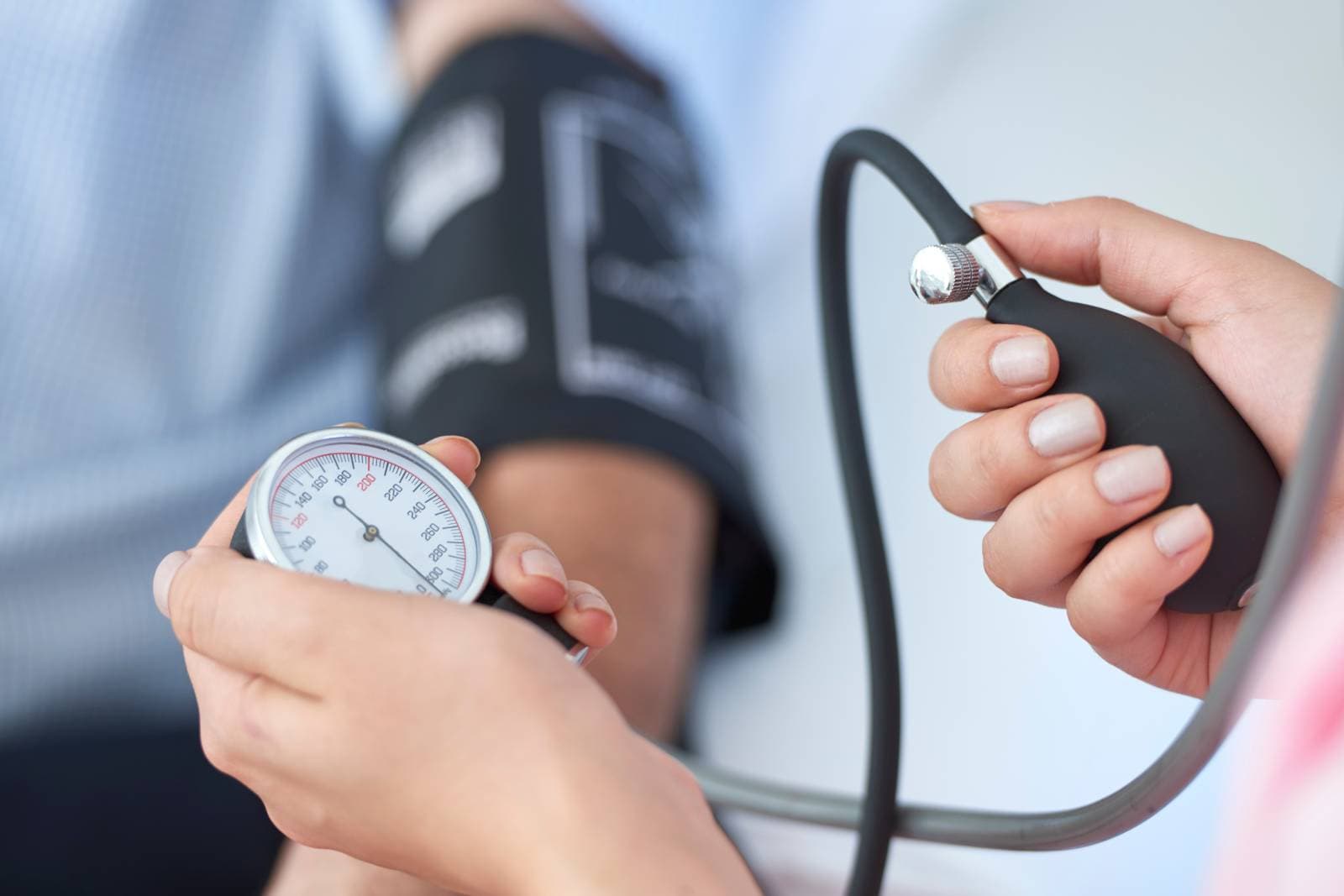
24-hour blood pressure monitoring
-
ECG measurements
-
Blood samples to examine a range of biomarkers
-
Regular check-ins to monitor tolerability and safety
The goal was simple: to understand how CBD influences blood pressure and other cardiovascular markers when taken consistently over several weeks.
What the Study Found: CBD’s Potential Influence on Blood Pressure
1. A small but meaningful drop in blood pressure
After five weeks of CBD supplementation, average 24-hour blood pressure decreased:
-
Systolic blood pressure dropped by around 4 mmHg
-
Diastolic blood pressure dropped by around 3 mmHg
To put that into everyday language:
-
Systolic is the pressure when your heart beats.
-
Diastolic is the pressure when the heart relaxes between beats.
These are modest changes, but still scientifically interesting. The placebo phase did not show similar reductions, suggesting the CBD itself may have contributed to the shift.
While this does not mean CBD treats hypertension, it does hint that CBD may interact with bodily processes involved in cardiovascular regulation.
2. Changes in biological markers linked to stress and inflammation
The researchers also measured molecules in the blood known as biomarkers - small signals that help scientists understand what’s happening behind the scenes.
The CBD phase showed reductions in:
-
Catestatin and urotensin-II, both linked to the body’s stress and vascular responses
-
Inflammatory markers such as IL-8, IL-10, and IL-18
Why is this interesting? Because the body’s stress response and inflammatory pathways can influence how blood vessels behave. A calmer, less reactive system can be connected to more balanced cardiovascular function. These findings suggest CBD may affect the body in multiple subtle ways that together create a more supportive internal environment.
3. No major effects on arterial stiffness or heart-rate variability
Not everything changed. The study found no significant shifts in:
-
Heart-rate variability
-
Measures of vascular stiffness
This is helpful for transparency and gives us a fuller picture. CBD seemed to influence certain pathways, but not others - which is common in early research.
4. CBD was well-tolerated
Throughout the five-week periods, participants did not report significant adverse effects. For a compound increasingly used in the wellness space, this is an encouraging safety signal.
How CBD Might Influence the Body: The Theories Behind the Findings
Although researchers are still uncovering how CBD interacts with cardiovascular pathways, several hypotheses help explain the study’s results. These mechanisms are not fully understood yet, but they help us interpret why CBD could influence blood pressure in some individuals.
1. Supporting balance through the endocannabinoid system
The ECS plays a role in regulating mood, inflammation, stress, and general homeostasis - the body’s instinct to stay in balance. CBD doesn’t activate this system directly. Instead, it appears to nudge it, helping the body regulate itself more effectively.
In the context of blood pressure, ECS activity could be connected to how the nervous system reacts to stress, and how blood vessels expand or contract.
2. Interaction with the sympathetic nervous system
One theory is that CBD may influence the sympathetic nervous system - the part of the body responsible for the “fight or flight” response. An overactive sympathetic system can lead to increased heart rate and tighter blood vessels.
By potentially calming this system, CBD might help the body maintain a more relaxed internal state.
3. Anti-inflammatory pathways
Inflammation isn’t always a problem, but chronic, low-grade inflammation can affect many bodily systems, including the cardiovascular system. The reduction in certain inflammatory biomarkers in the study adds weight to the idea that CBD might interact with these pathways in meaningful ways.
4. Vascular relaxation
Some early research suggests CBD may influence how blood vessels behave - particularly their ability to relax. Relaxed vessels allow blood to flow with less resistance, which is one factor that can influence blood pressure.
These theories do not suggest CBD is a treatment. Instead, they paint a picture of a compound that may support the body in subtle ways that together contribute to a sense of balance.
What This Means for People Exploring CBD for Wellness
If you’re someone who is curious about plant-based ways to support general wellbeing - especially with regard to stress, inflammation or cardiovascular balance - this study adds meaningful insight.
Here are a few key takeaways:
-
CBD is not a replacement for medical advice or treatment for hypertension.
-
The study’s findings suggest CBD may influence certain biological processes related to cardiovascular function.
-
CBD appears well-tolerated in research settings.
-
The most promising effects relate to stress pathways, inflammatory markers and subtle blood pressure shifts.
For people taking a holistic approach to wellness - combining lifestyle changes, medical care, stress management and nutrition - CBD may be one more tool to explore thoughtfully.
Always speak with a healthcare professional before starting any new supplement, especially if you have a diagnosed condition.
How to Choose a High-Quality CBD Product
If you decide to explore CBD, picking the right product matters.
Here are some points worth considering:
1. Third-party testing
A reputable brand should publish independent lab results confirming purity and cannabinoid content.
2. Clear, transparent labelling
Products should state exactly what’s inside - no vague terms or hidden additives.
3. Non-psychoactive cannabinoids
Look for products made from CBD, not THC, if your goal is wellness without intoxication.
4. Consistent dosing
Capsules, oils and gummies allow better control over how much CBD you’re taking.
5. Brand values
Choose companies focused on safety, science and transparency.
At Harmony, we build our products with these principles at heart, so you can feel confident about what you’re using.
Conclusion: CBD’s Role in Cardiovascular Wellness Research Is Growing
We're still at the early stages of understanding how CBD interacts with the cardiovascular system, but studies like this one help illuminate the path ahead. The findings suggest that CBD may influence stress responses, inflammatory pathways and subtle aspects of vascular balance - all of which could have indirect connections to blood pressure.
For those exploring CBD as part of a broader wellness routine, the research offers a hopeful but responsible message: CBD has intriguing potential, yet more work is needed before we fully understand its long-term implications for cardiovascular health.
As always, decisions about your health should be made carefully and in collaboration with a medical professional. CBD is not a cure or treatment, but it may offer gentle support for the body’s natural balancing processes.
Curious to learn more? Reach out with any questions - our team is here to help!
Sources
Eur Heart J. 2025;46(Suppl 1):ehaf784.3321.
The effects of chronic cannabidiol dosing on cardiovascular parameters in primary hypertension: findings from a randomized controlled trialRead the publication