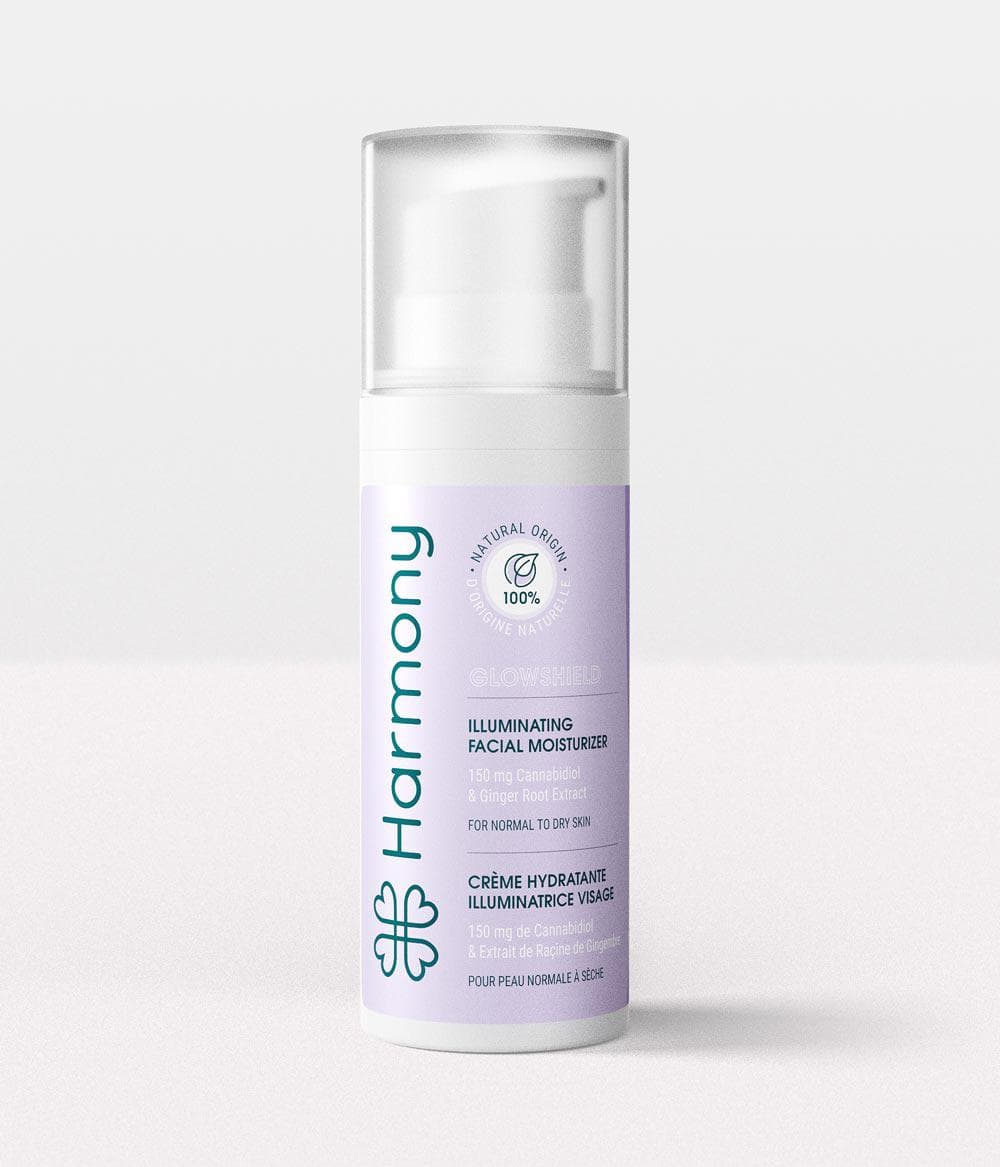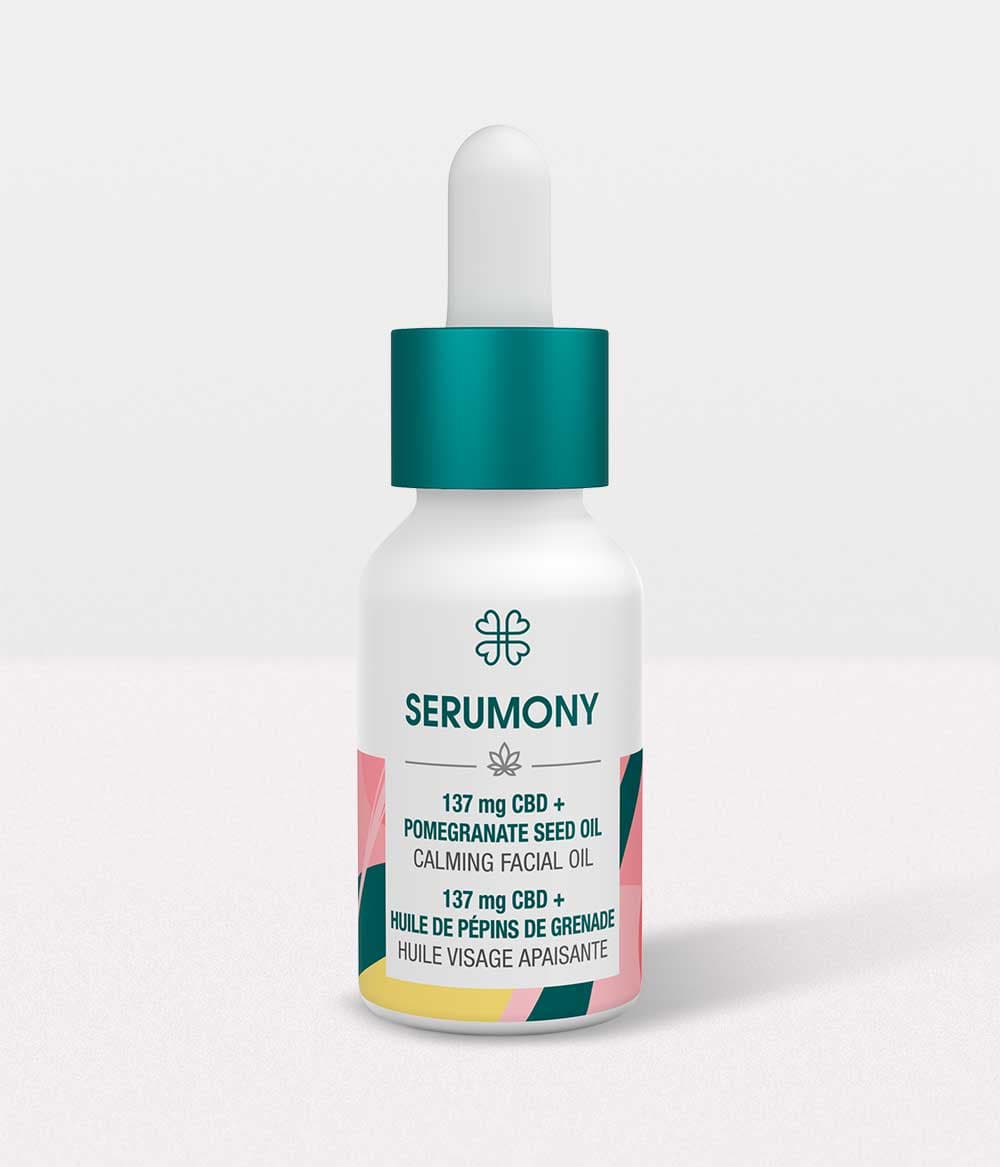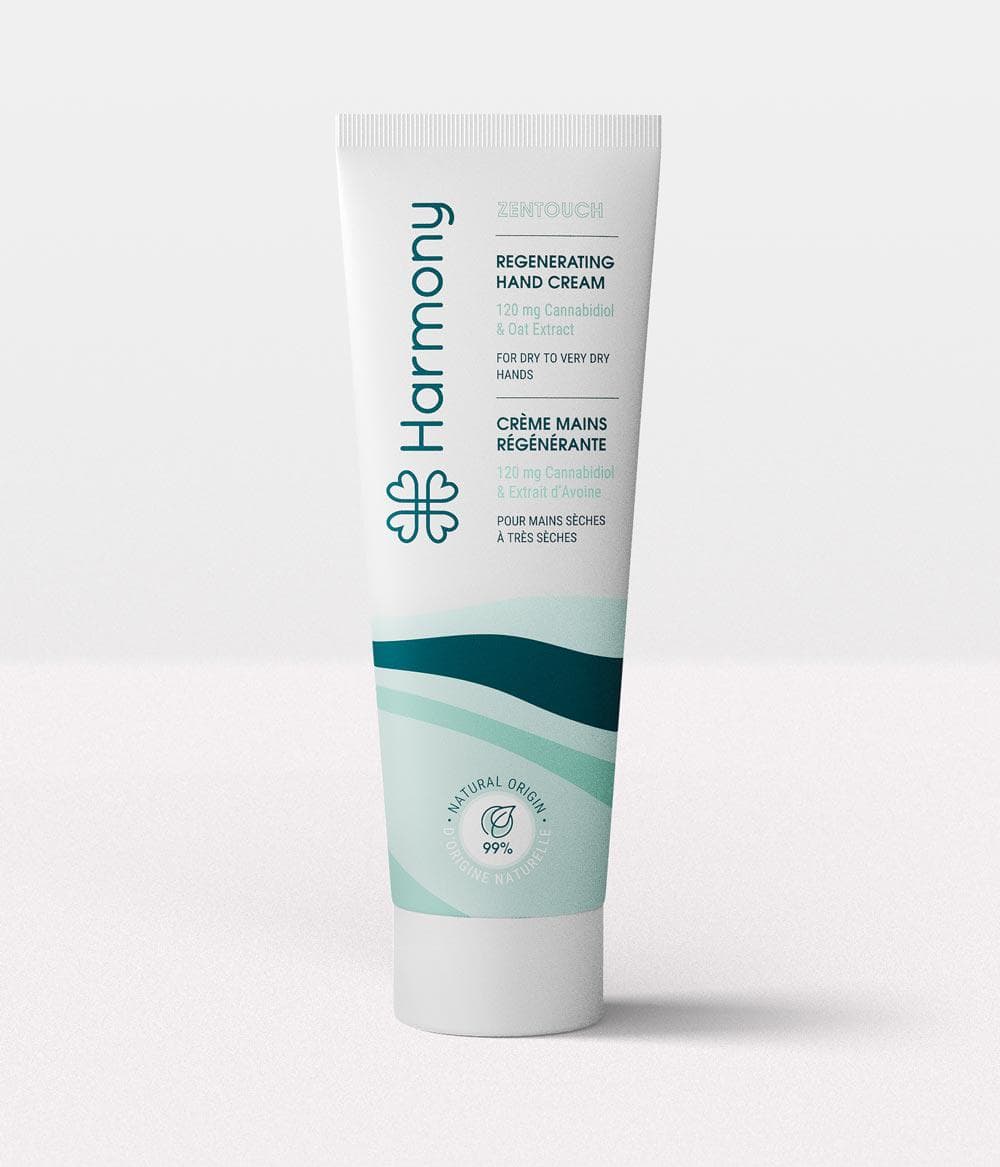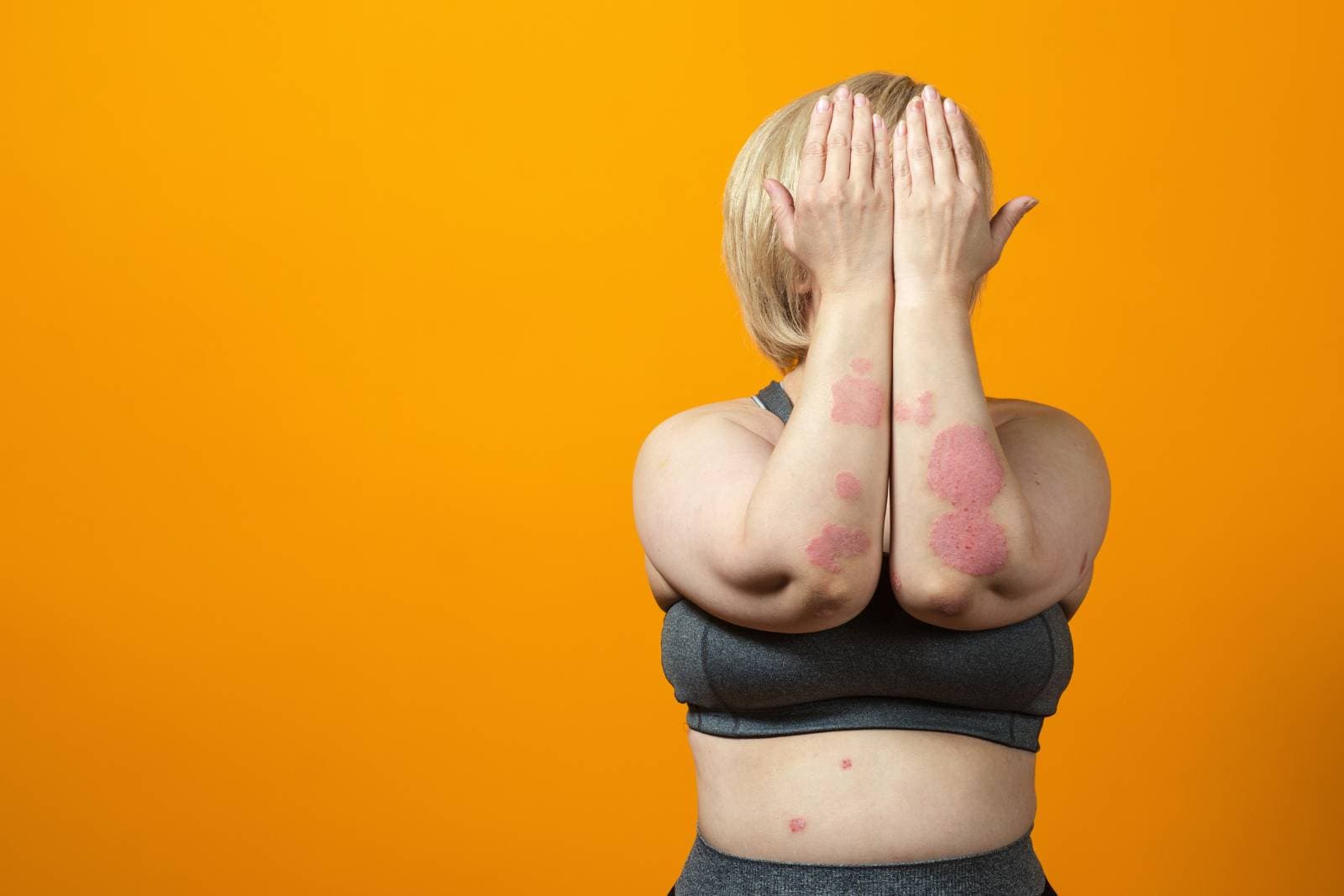


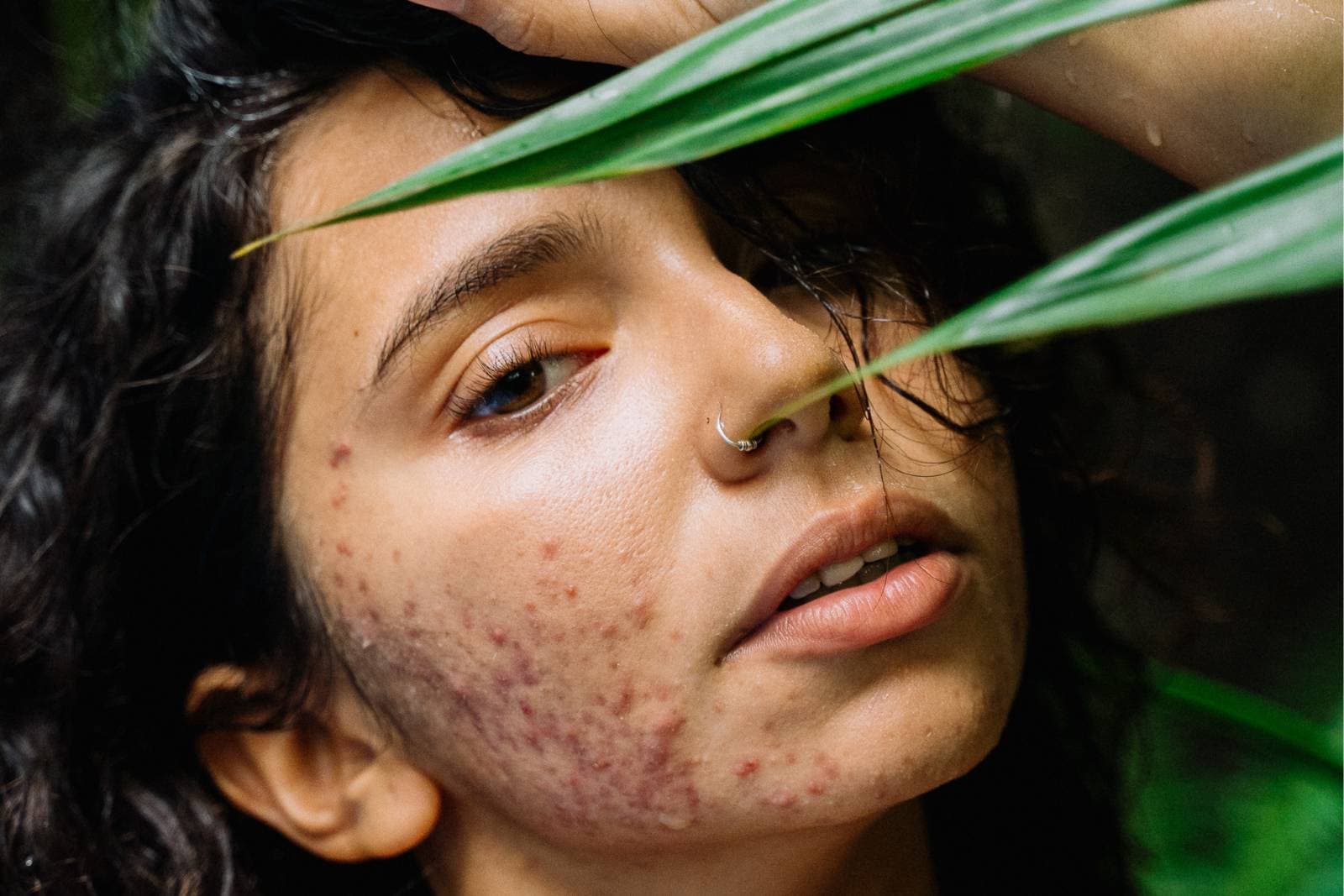
Acne is more than just a few pimples - it's a serious, often painful skin condition with a high psychological toll. From harsh spot treatments to long ingredient lists full of acids and retinoids, most acne solutions focus on drying the skin out or targeting bacteria. Yet, many people end up with irritation, redness, or sensitivity instead of the clear complexion they hoped for.
In recent years, scientists have started exploring a different approach - one that works with the skin’s natural balance rather than against it. Among the most promising plant-based ingredients gaining attention is cannabidiol (CBD), a non-psychoactive compound from the hemp plant. A 2024 scientific review published in Cosmetics by researchers from the University of Porto highlighted how CBD and other cannabinoids could play a role in managing acne through several biological pathways. While more research is needed, these early findings open up an exciting new perspective on how natural ingredients may support skin health.
Understanding Acne: More Than a Teenage Concern
Acne vulgaris, or simply acne, affects around one in ten people globally - and not just teenagers. Adult acne, particularly among women, is increasingly common. Hormonal fluctuations, stress, diet, and skincare habits can all contribute to breakouts that feel frustratingly unpredictable.
At its core, acne is a combination of four main factors:
-
Excess oil (sebum) production by the skin’s sebaceous glands.
-
Clogged pores, often from dead skin cells that don’t shed properly.
-
Bacterial overgrowth, particularly Cutibacterium acnes (formerly Propionibacterium acnes).
-
Inflammation, which leads to redness, swelling, and discomfort.
Traditional acne treatments such as antibiotics, retinoids, or chemical exfoliants can be effective, but they sometimes come with side effects - dryness, irritation, or increased sun sensitivity. This has led researchers and consumers alike to look for gentler, more natural ways to keep the skin balanced.
The Science Behind CBD and the Skin
To understand why CBD is being studied for skincare, it helps to know about the endocannabinoid system (ECS). This is a natural signalling network found throughout the human body, including the skin. Its main job is to help maintain homeostasis - a state of balance.
In the skin, the ECS is involved in regulating oil production, cell renewal, inflammation, and even immune responses. Scientists have identified cannabinoid receptors (known as CB1 and CB2) in various skin cells - keratinocytes, sebocytes, and immune cells. When compounds like CBD interact with these receptors, they appear to help the skin maintain balance when things become overactive or inflamed.
Unlike THC, CBD does not cause any psychoactive effects. Instead, it interacts gently with these receptors and other pathways such as TRPV channels and PPARs - all of which influence how the skin behaves in response to stress or irritation.
In short, the skin has its own cannabinoid system, and CBD seems to communicate with it in ways that could help restore equilibrium.
Four Ways CBD May Help Support Acne-Prone Skin
The 2024 review highlighted four primary mechanisms through which CBD and other cannabinoids could support clearer skin. Let’s take a closer look at each.
1. Balancing Oil Production (Lipostatic Effect)
One of the key causes of acne is excessive sebum - an oily substance produced to keep the skin moisturised. When overproduced, it mixes with dead skin cells and bacteria, leading to clogged pores.
Laboratory studies have shown that CBD may help regulate sebum production by influencing the activity of sebocytes, the cells that make oil. Rather than simply drying the skin out, CBD appears to help it find a natural balance. Researchers believe this effect involves the activation of TRPV4 ion channels, which send signals to calm down overactive sebaceous glands.
2. Calming Redness and Irritation (Anti-Inflammatory Effect)
Inflammation is at the heart of acne, from small red pimples to deeper cystic lesions. In studies on human skin cells, CBD has been found to reduce the production of pro-inflammatory molecules, such as cytokines, that contribute to swelling and redness.
It does this partly by modulating the adenosine signalling pathway, which helps the body manage inflammation. This mechanism is one reason why CBD has also been studied for conditions like eczema and psoriasis. For acne-prone skin, this soothing property could make CBD a gentle ally compared to harsher anti-inflammatory agents.
3. Targeting Bacteria Naturally (Antimicrobial Action)
Cutibacterium acnes is a bacterium naturally present on everyone’s skin, but when it multiplies excessively, it can trigger inflammation. Some studies suggest that CBD and hemp seed extracts may inhibit the growth of acne-causing bacteria, supporting the skin’s natural defences without contributing to antibiotic resistance - a concern with long-term antibiotic use.
Researchers found that CBD could even outperform conventional antibiotics like erythromycin in some lab conditions. While these findings are preliminary, they hint at an interesting natural approach to maintaining microbial balance.
4. Supporting Healthy Skin Renewal (Antiproliferative Effect)
Healthy skin constantly renews itself, but in acne, the process can accelerate unevenly, leading to a buildup of cells that block pores. CBD has been shown to help normalise this renewal cycle, preventing excessive cell growth without damaging healthy tissue.
Together, these four actions - balancing oil, calming inflammation, limiting bacterial overgrowth, and supporting renewal - form a holistic approach to skincare.
Beyond CBD: Other Cannabinoids Under the Microscope
While CBD receives most of the attention, other cannabinoids such as cannabichromene (CBC) and tetrahydrocannabivarin (THCV) are also being explored for acne.
A 2016 study found that these compounds displayed lipostatic and anti-inflammatory properties similar to CBD. Interestingly, each cannabinoid seems to interact differently with the skin’s receptors, suggesting that future formulations may combine several for enhanced benefits.
What Clinical Studies Show So Far
Human trials in this area are still in their early stages, but results so far are encouraging. One small clinical study involving a 3% hemp seed extract cream found reduced sebum levels and redness after 12 weeks of use, with no irritation reported.
Another phase-two clinical trial tested a topical solution containing synthetic CBD (BTX-1503) on 368 participants with moderate to severe acne. After 12 weeks, those using the CBD formula saw up to 40% fewer acne lesions compared to baseline. The treatment was well tolerated, with no major side effects.
Researchers have also experimented with combining CBD with other plant extracts - such as Centella asiatica and silymarin - to enhance anti-inflammatory and antibacterial effects. Early results suggest these botanical blends could be even more effective at soothing acne-prone skin.
While these studies are promising, they remain small. Larger, long-term research is needed to confirm exactly how cannabinoids perform in real-world skincare.
Choosing CBD Skincare Wisely
Not all CBD products are created equal. Because the market is still young and regulations vary across countries, it’s important to choose products from transparent, science-based brands that share lab test results.
When shopping for CBD skincare:
-
Look for broad-spectrum or isolate CBD, ensuring the product contains no THC.
-
Prefer lab-tested formulations that verify purity and potency.
-
Check for complementary natural ingredients such as hemp seed oil, ginger extract, or shea butter that support hydration and calm the skin.
-
Avoid products with heavy fragrances, alcohols, or comedogenic oils that may aggravate breakouts.
CBD skincare isn’t a replacement for medical acne treatments, but it could be a gentle, plant-based addition to a balanced routine - especially for those with sensitive or easily irritated skin.
Innovation on the Horizon
Scientists are also looking at ways to improve how CBD is absorbed by the skin. Because CBD is naturally oil-based and not very water-soluble, it doesn’t always penetrate deeply on its own.
To address this, new technologies such as nano-emulsions and polymer nanoparticles are being developed. These methods could increase bioavailability and make topical CBD products even more effective while maintaining safety and stability.
In the future, we may see sophisticated CBD serums or creams that deliver cannabinoids more precisely to where the skin needs them most - potentially revolutionising natural skincare.
The Bigger Picture: Sustainability and Skin Health
Beyond the science, cannabinoids represent a broader shift toward sustainable, plant-based beauty. Hemp cultivation has a relatively low environmental impact compared to many other crops, requiring less water and no pesticides. For consumers increasingly aware of what they put on their skin and into the environment, this adds another layer of appeal.
CBD skincare thus aligns with a growing preference for products that are both effective and eco-conscious - bridging wellness, science, and sustainability.
Conclusion: A Balanced Approach to Clearer Skin
The science surrounding CBD for acne is still unfolding, but what’s already clear is that cannabinoids offer a refreshing perspective on skincare. Instead of fighting the skin, CBD works with it - helping to regulate oil, reduce redness, and restore balance naturally.
For anyone seeking a gentler, plant-based approach to maintaining clear, healthy-looking skin, CBD could be an ingredient worth exploring. While it’s not a medical treatment, ongoing research suggests that cannabinoids may support the skin’s natural ability to stay calm, clear, and resilient.
As more studies confirm what early findings have shown, the future of acne care might just be greener, smarter, and a little more balanced - thanks to the humble hemp plant.
Curious to learn more? Reach out with any questions - our team is here to help!
Sources
Cosmetics. 2024 Feb 6;11(1):22.
Treatment Advances for Acne Vulgaris: The Scientific Role of CannabinoidsRead the publication