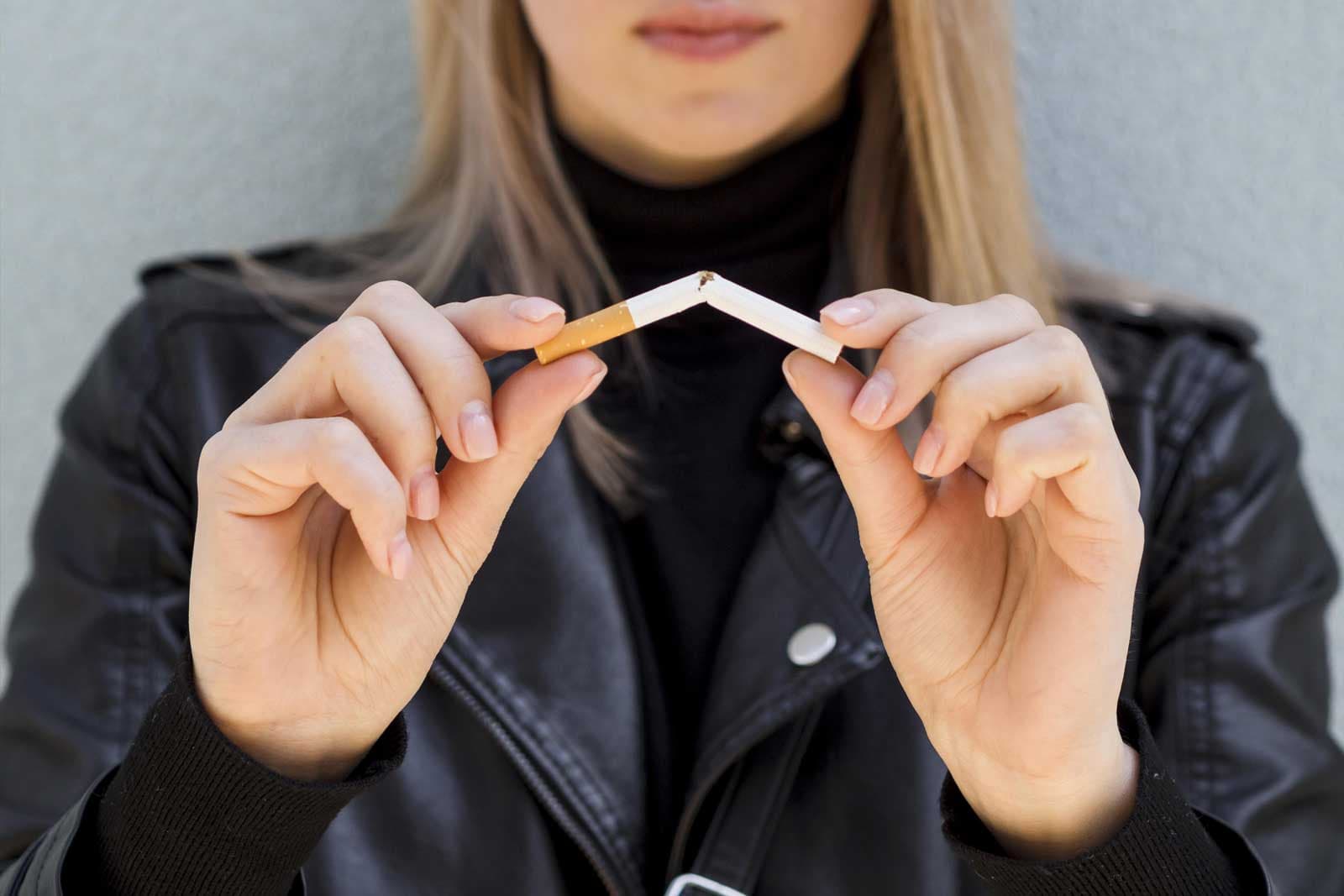



Quitting smoking is one of the hardest habits to break. Even when you’re determined, the cravings can feel impossible to manage. The irritability, the restlessness, the automatic hand reaching for a cigarette - all of it can make you wonder if your body is working against you.
That’s because nicotine doesn’t just create a physical dependency. It taps into the brain’s reward system, releasing dopamine and other feel-good chemicals that reinforce the habit. Over time, smoking becomes as much psychological as it is physical.
So what if there was a natural compound that could help calm those cravings and support the mind-body balance needed to quit? That’s what researchers set out to explore in a landmark study on CBD (cannabidiol) - the non-psychoactive compound found in hemp.
Understanding How CBD Oil and Other CBD Products Work in the Body to Help You Quit Smoking
Before diving into the study, it helps to understand what CBD actually does. Unlike THC, the component of cannabis that causes a “high,” CBD doesn’t alter perception or create dependence. Instead, it interacts gently with a network in the body known as the endocannabinoid system (ECS).
The ECS helps regulate processes such as mood, sleep, pain perception, and - importantly - reward and motivation. When we smoke, nicotine hijacks this system, stimulating the release of dopamine and creating that brief sense of satisfaction. Once nicotine leaves the system, dopamine levels drop, triggering cravings and irritability.
CBD is believed to help bring the ECS back into balance. It may interact with certain receptors that influence anxiety, stress, and reward pathways - the same systems that play a major role in nicotine addiction.
The 2013 Cannabidiol Study: How CBD Helped Smokers Reduce Cigarette Use and Stop Smoking Tobacco
In 2013, researchers from University College London conducted one of the first human studies investigating CBD and smoking behaviour. Published in the journal Addictive Behaviors, the pilot study looked at whether CBD could reduce cigarette consumption among people who wanted to quit.
The study involved 24 smokers. Half were given an inhaler containing CBD, and the other half received a placebo inhaler with no active compound. Over one week, participants were told to use the inhaler every time they felt the urge to smoke.
The results were striking:
-
Those using the CBD inhaler smoked around 40% fewer cigarettes over the course of the week.
-
The placebo group showed no significant change in their smoking habits.
-
Some of the reduction in cigarette use persisted even after the treatment ended.
This early research didn’t prove that CBD can make someone quit smoking entirely, but it did show a clear reduction in cigarette consumption - suggesting CBD may influence the mental and physiological cues that drive smoking behaviour.
How CBD Helps Reduce Cigarette Cravings, Nicotine Addiction, and Withdrawal Symptoms
To understand why participants smoked less, researchers looked at how CBD interacts with the brain’s chemical messengers.
When you smoke, nicotine activates certain receptors that trigger dopamine release - giving that instant feeling of calm or reward. Over time, your brain learns to associate specific situations, emotions, or even smells with that nicotine “hit.” These triggers are often the hardest part of quitting.
CBD appears to work differently. It doesn’t replace nicotine or block withdrawal in the traditional sense. Instead, it seems to make those triggers less powerful by subtly modulating the endocannabinoid system.
Researchers think CBD may:
-
Reduce the brain’s response to smoking cues, making cigarettes feel less rewarding.
-
Ease stress and anxiety, which are among the most common relapse triggers.
-
Support emotional regulation, helping people stay calmer when cravings strike.
There’s also some evidence that CBD influences serotonin receptors, which play a key role in mood and wellbeing - another factor that can support a smoother quitting experience.
Why This Study on Using CBD to Quit Smoking Tobacco Matters
While plenty of supplements claim to help people stop smoking, very few have been studied in this way. This trial was double-blind and placebo-controlled, meaning neither the participants nor the researchers knew who was getting the real treatment - a gold standard in scientific research.
Even though it was small and preliminary, the design gives its findings more credibility. Importantly, the CBD dose used was relatively low and administered via an inhaler, which provided fast absorption without involving tobacco.
The simplicity of the approach - use the inhaler whenever the urge to smoke appears - made it easy to incorporate into daily life, and that’s part of what makes this study so interesting for future research.
CBD and Addiction Research: How Cannabidiol Could Help You Quit Smoking Cigarettes and Other Substances
This isn’t the only time CBD has shown promise in addiction studies. In earlier research on animals, CBD helped reduce drug-seeking behaviour associated with substances like heroin and cocaine. In some cases, the effect lasted days or even weeks after CBD was given.
In humans, early evidence suggests CBD may help reduce cue-induced cravings - the automatic urges triggered by reminders of a substance, such as seeing someone light a cigarette or smelling smoke.
What’s unique about CBD is its multi-layered approach. Rather than targeting just one chemical receptor, it influences several systems at once - including those linked to stress, reward, and emotional regulation. This makes it a particularly interesting candidate for future research on nicotine dependence.
Why CBD Oil, Vaping CBD, or CBD Gummies May Offer a Natural Way to Help Quit Smoking
Nicotine addiction is notoriously hard to treat. Many available aids, such as patches or medications, can help manage cravings but often come with side effects or limited success rates. CBD offers a different approach - one focused on restoring balance rather than replacing nicotine.
Of course, it’s not a magic solution. Quitting smoking requires willpower, support, and often a combination of methods. But CBD’s non-psychoactive nature, good safety profile, and potential to support calm and focus make it an appealing option for people looking for a more natural way to manage cravings.
Many users report feeling more relaxed and less drawn to habitual behaviours when using CBD as part of their wellness routine. While these experiences aren’t clinical proof, they align with what the science is beginning to uncover about how CBD affects the brain and body.
What Science Still Needs to Learn About CBD to Quit Smoking and Ease Tobacco Withdrawal
The 2013 study was small, and since then, researchers have called for larger and longer clinical trials to confirm the findings. Future studies will need to explore:
-
The optimal dose and delivery method for reducing cravings.
-
How long the effects last after stopping CBD.
-
Whether CBD works best alongside behavioural support or other quitting aids.
-
The underlying biological mechanisms in more detail.
So far, the safety data on CBD is reassuring. It’s generally well tolerated, with side effects that are mild and temporary - such as drowsiness or digestive discomfort at high doses. Still, anyone considering adding CBD to their routine should speak with a healthcare professional, especially if they’re taking medication.
CBD and Wellness: How Using CBD May Support Calm, Balance, and Success When You Stop Smoking
Even beyond smoking, scientists are studying CBD’s influence on stress, anxiety, and mood - all of which are deeply connected to addiction and recovery. By helping the body maintain balance and resilience, CBD may indirectly support the mindset and emotional stability needed to overcome habits like smoking.
The key takeaway from the research isn’t that CBD replaces discipline or therapy, but that it might offer a gentler, plant-based way to support the process. Instead of simply blocking cravings, it could help make the act of smoking less rewarding in the first place - a subtle but potentially powerful shift.
The Bottom Line: Can CBD Help You Quit Smoking and Reduce Tobacco Withdrawal Naturally?
The Addictive Behaviors study provided some of the first human evidence that CBD could help reduce cigarette consumption. Participants using a CBD inhaler smoked 40% fewer cigarettes in a week, suggesting that CBD may help manage the mental and physical patterns that make quitting so difficult.
While we’re still at the beginning of understanding exactly how this works, these findings point to a new area of exploration - using natural compounds like CBD to support people on their journey to better health.
Curious to learn more? Reach out with any questions - our team is here to help!
Sources
Addict Behav. 2013 Sep;38(9):2433-6.
Cannabidiol reduces cigarette consumption in tobacco smokers: preliminary findingsRead the publication