Health topics
Addiction and dependence
Understand the difference, find support and read substance-specific research with its limitations in view.
Nicotine and tobacco
4 articles
CBD vs NICOTINE
CBD and nicotine are both compounds that naturally occur in plants. Nicotine is produced by plants belonging to the nightshade family, and most famously, of course, the tobacco plant. CBD is produced by cannabis plants...
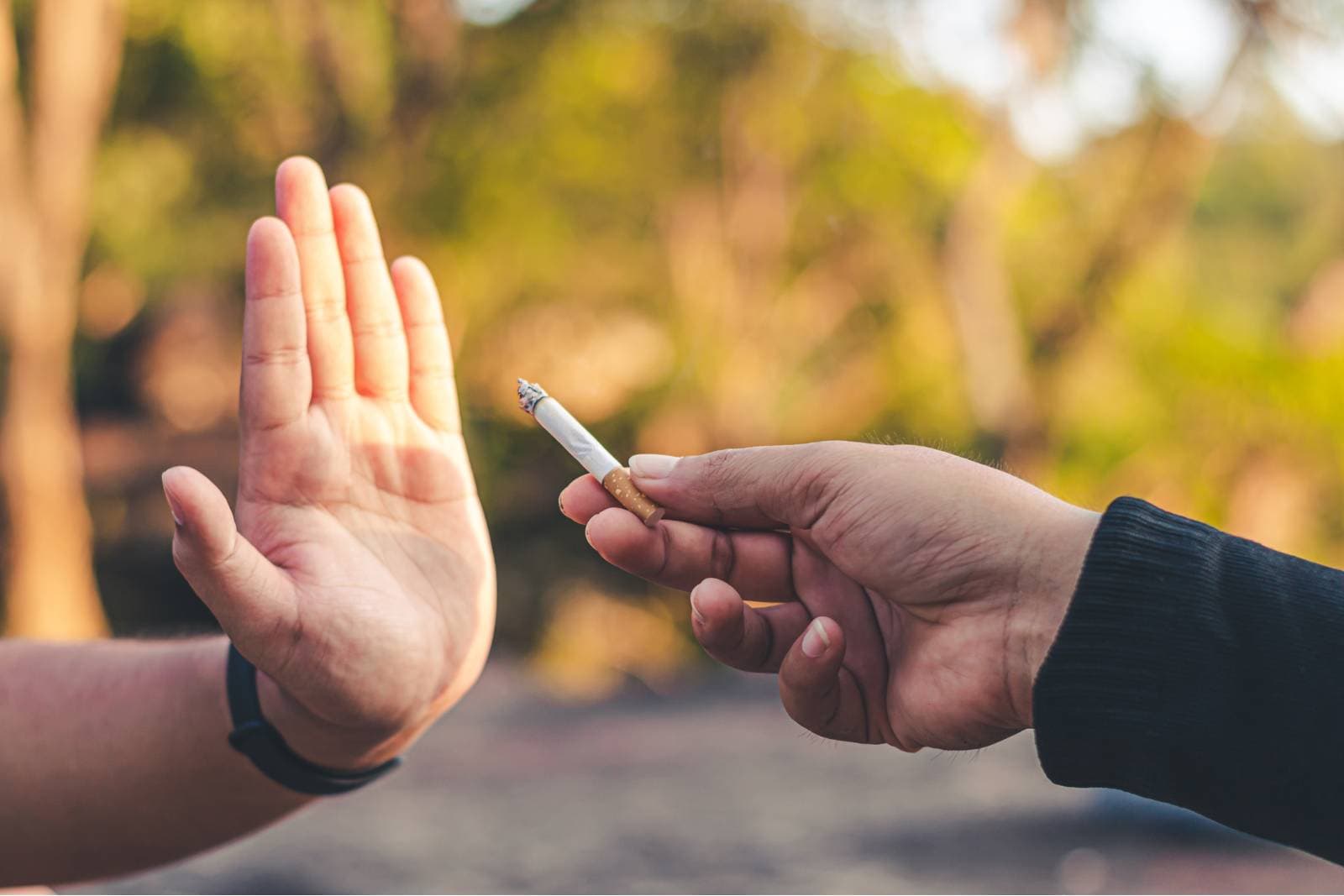
Can CBD Help You Quit Smoking? How Cannabidiol May Support Tobacco Addiction Recovery
Can CBD really help you stop smoking? Discover how a pioneering study found that CBD users smoked 40% fewer cigarettes in a week — and what this could mean for breaking nicotine habits naturally.
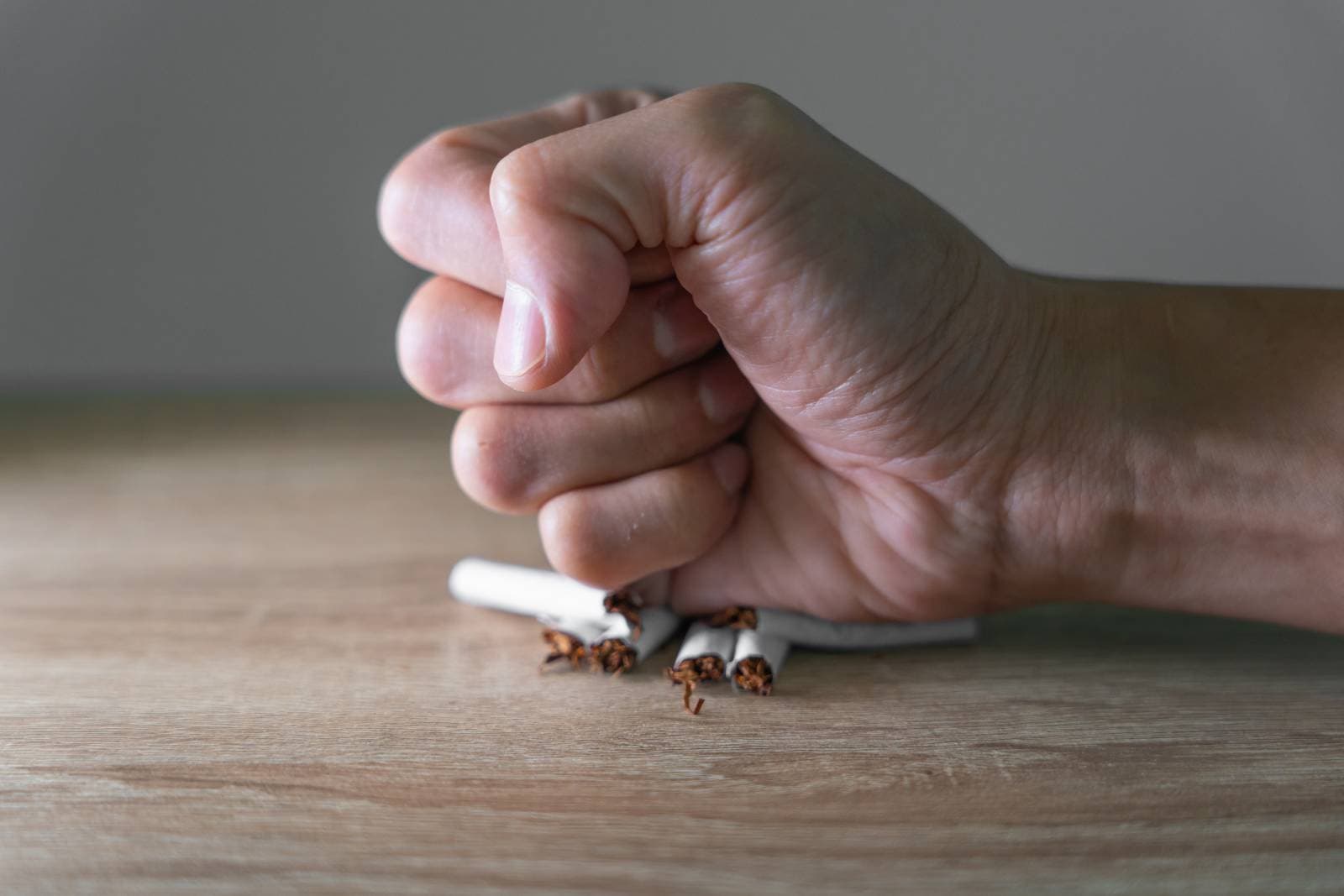
Could CBD Help You Quit Smoking Tobacco Cigarettes for Good?
Could CBD help you quit smoking? Discover how it might reduce cravings, ease nicotine withdrawal, and support your journey to quit tobacco for good.
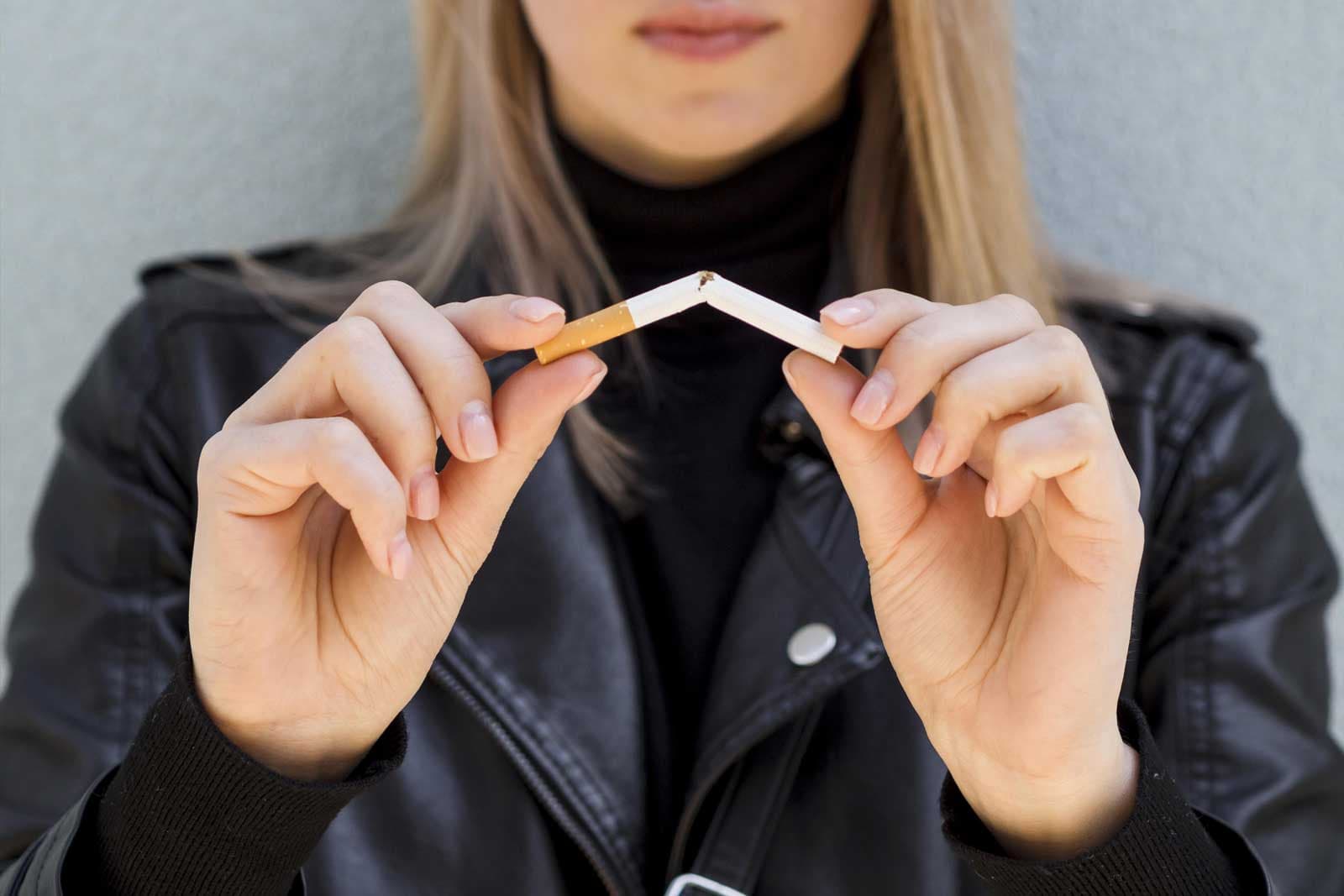
Quit Smoking with CBD: Exploring the Benefits of Cannabinoids
If you're struggling to quit smoking, you're not alone. Nicotine addiction is a tough habit to kick, but what if there was a natural solution to help you reduce or even quit smoking altogether? Enter CBD, a...
Opioid dependence research
2 articles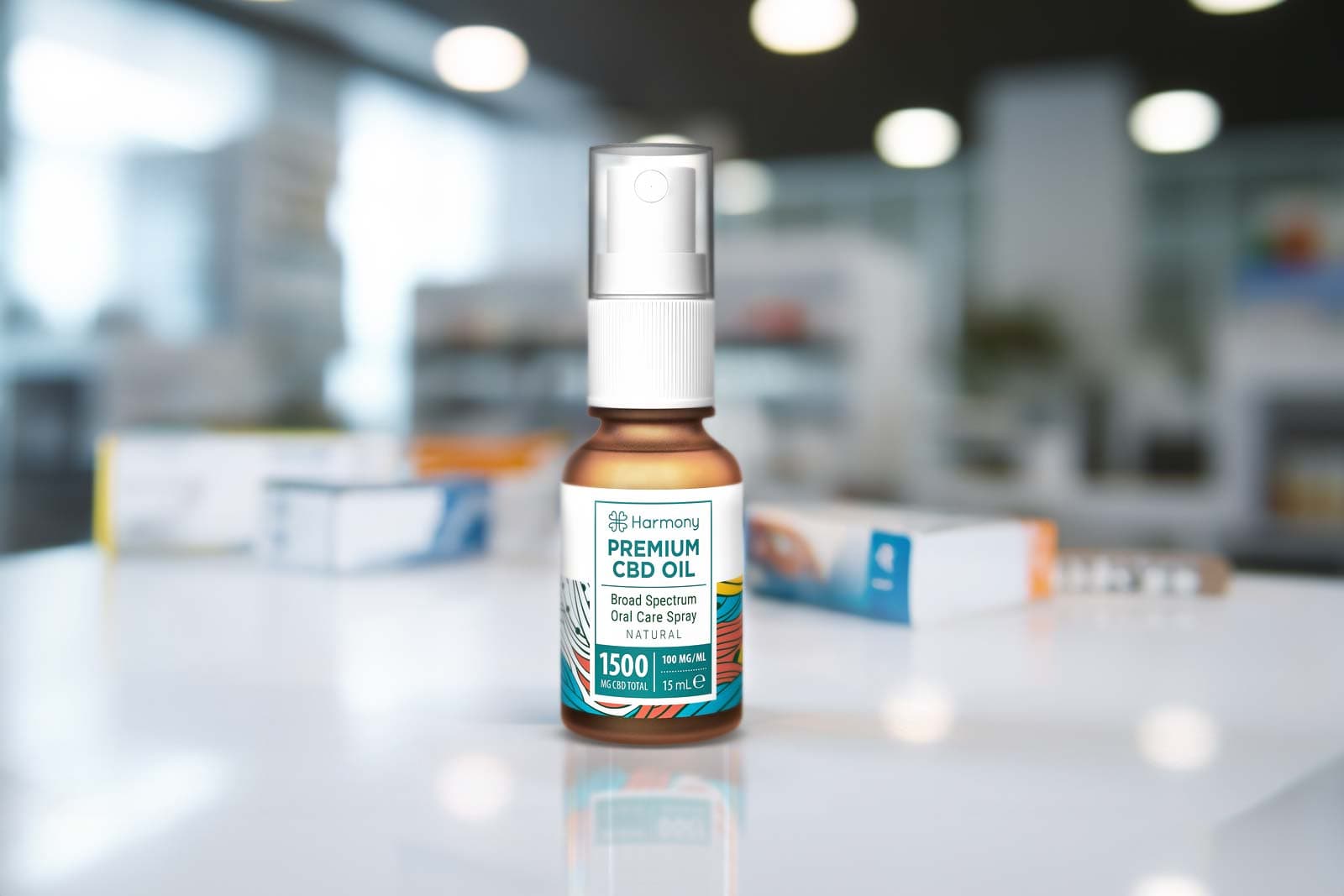
Alcohol research
1 article
Background and sources
Addiction and physical dependence are related terms with different meanings. Understanding the difference can help you ask clearer questions and find appropriate support. This guide covers substance-related concerns and research; it is not a detox plan or a recommendation to use CBD instead of treatment.
Dependence is not the same as addiction
Physical dependence means the body has adapted to a substance and withdrawal symptoms can occur when it is reduced or stopped. This can happen with some prescribed medicines and does not, by itself, establish addiction. NIDA explains the distinction in its Principles of Drug Addiction Treatment.
Addiction involves difficulty controlling use and continuing despite harmful consequences. NIDA describes it as a treatable disorder affecting systems involved in reward, stress and self-control. It is not simply a lack of willpower. Read NIDA's explanation of addiction.
Where to start if you need help
You can speak with a GP or approach a local drug treatment service directly. The NHS explains that support is available whether you want advice, want to cut down or want to stop. A first appointment considers the substance involved, your circumstances and the treatment options that might help. Find NHS guidance on getting help.
Tell the clinician or service about medicines, alcohol and other substances as well. Withdrawal risks differ, so do not use a general online article to plan abrupt changes to prescribed medication or substances you are dependent on. If someone is in immediate danger or may have overdosed, call 999.
Read substance-specific research
A trial involving tobacco use is not evidence about opioid dependence. A change in craving during a short experiment does not establish sustained abstinence, and results in animals cannot establish a treatment for people. Look for the substance, the preparation tested, the comparison group, follow-up and adverse effects.
Our research library includes historical study explanations. Read the original paper and its limitations, not just its headline. Harmony sells CBD products, but a study of a cannabinoid preparation is not evidence that a Harmony product treats addiction or manages withdrawal.
Sleep and stress can be part of the picture
Sleep disturbance is one possible symptom of cannabis withdrawal. Our Cannabis and sleep article explains that question and links to clinical support information. Everyday routines are covered separately in How to Sleep Better and How to Manage Stress.
Those guides can help you understand a topic. They do not replace the individual support needed for a substance-use problem. A shared link between topics should make the next question easier to explore, not imply a product solution.